Are you a small business owner looking to grow your business? You don’t need a massive marketing budget or a full-time team to start seeing results. Sometimes the most effective marketing strategies are the ones you can implement right now, without spending a dime.
Small business marketing doesn’t have to be complicated or expensive. While large corporations invest millions in traditional marketing campaigns, small businesses can compete effectively by focusing on digital marketing tactics that deliver real results. The key is knowing which marketing activities will have the biggest impact on your target audience.
Here are six quick marketing wins you can tackle yourself today:
1. Check Your Google Business Profile
Your Google Business Profile is often the first thing potential customers see when they search for your business. This free tool from Google is one of the most powerful marketing channels available to small businesses, especially for local SEO. Take 15 minutes to give it some attention:
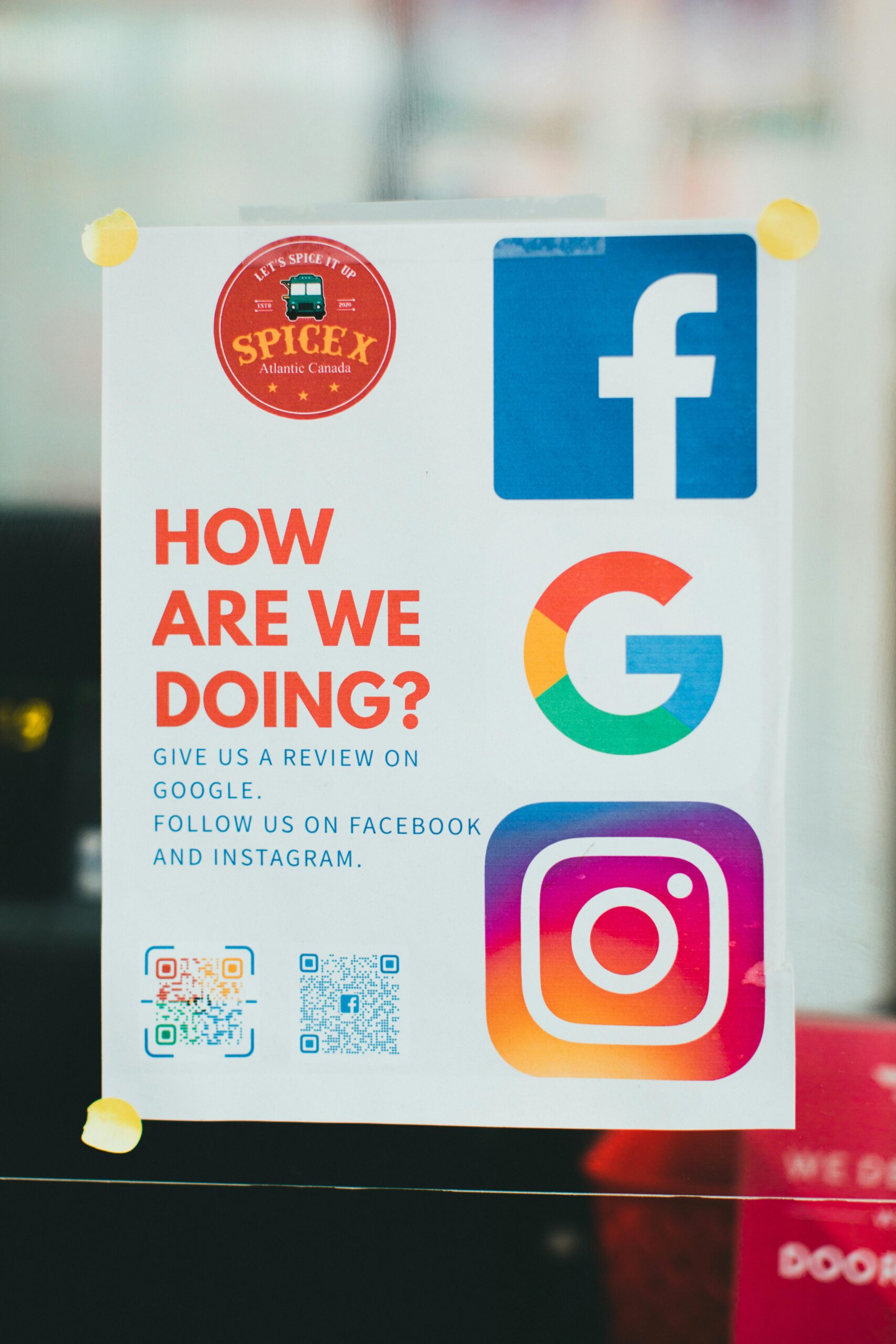
- Respond to your most recent reviews. Thank customers for positive feedback and address any concerns professionally. This shows you’re engaged and care about customer experience. Responding to reviews also signals to search engines that your business is active and engaged with customers.
- Make a post. Share a photo of a recent project, announce a special offer, or highlight a customer success story. Regular posts signal to Google that your business is active and help you reach potential customers searching in your area.
- Update your product or service listings. Make sure your offerings are current and accurately described. Add high-quality photos that showcase what you do.
Your Google Business Profile works alongside other digital marketing efforts to build brand awareness and attract new customers. When optimized properly, it can drive significant traffic to your website and physical location without any advertising spend. Need help optimizing your profile?
Learn more about our local SEO services.
2. Write a Blog Using Popularly Searched Keywords
Content marketing is one of the most cost-effective marketing strategies for small businesses. Unlike paid advertising or Google Ads that require ongoing investment, blog content continues working for your business long after publication. A single well-optimized blog post can attract potential customers for months or even years.

Start with one well-written blog post targeting keywords your target market is actually searching for. Think about the questions you hear most often from customers. What problems are they trying to solve? What information do they need before making a purchase?
Use free tools like Google’s autocomplete feature, Answer the Public, or Google Analytics to find popular search terms in your industry. These tools reveal what your target audience is actively searching for, helping you create content that meets real customer needs.
Write helpful, straightforward content that answers these questions. Aim for at least 1,000 words for competitive topics, include your keywords naturally throughout, and focus on providing real value to your readers. Strong content marketing builds trust with potential customers and positions you as an expert in your field.
Include internal links to other pages on your website, add relevant images, and structure your content with clear headings. Search engines reward well-organized, comprehensive content that serves user intent. This type of content marketing forms the foundation of effective marketing strategies for small businesses.
3. Create 3 Pinned Posts on Instagram
Social media platforms like Instagram offer small businesses direct access to their target audience without the cost of traditional marketing. Your Instagram profile should work like a mini website, giving visitors everything they need to understand your business and take action.
Pinned posts stay at the top of your grid, making them perfect for introducing new customers to your business. Create three strategic pinned posts:
- Post 1: Introduce yourself and your business. Share your story, what you offer, and what makes you different. This is your chance to build brand awareness and connect with potential customers on a personal level.
- Post 2: Explain the “why” behind your product or business. What problem do you solve? Why does your work matter? This helps customers connect with your mission and understand the value you provide. Strong storytelling in your social media marketing creates emotional connections that drive customer engagement.
- Post 3: Show how people can book with you or buy your product. Make it incredibly easy for interested customers to take the next step. Include clear calls-to-action and links in your bio.
Social media marketing for small businesses works best when you’re consistent and authentic. You don’t need to post every day, but you do need to show up regularly and engage with your audience. Social media platforms reward accounts that foster genuine customer engagement and community building. If you’re struggling to maintain consistency, our social media management services can help you stay active while you focus on running your business.
4. Make Sure All Your Social Media Accounts Have Consistent Bios and Information
Inconsistent information across platforms confuses potential customers and damages your credibility. This simple marketing activity takes only 20 minutes but significantly impacts how professional your business appears across all marketing channels.
Take time to audit all your social media profiles. Check that your business name, contact information, website URL, and business description are identical everywhere. Update your hours of operation, location details, and any other key information that might have changed.
This consistency is crucial for both customer trust and search engine optimization. Search engines look for consistent business information across the web when determining which businesses to show in local search results. Inconsistent details can hurt your local SEO efforts and make it harder for new customers to find accurate information about your business.

Your social media bios are also prime real estate for communicating your brand strategy and value proposition. Make every word count by clearly stating what you do, who you serve, and what makes you different from competitors in your target market.
5. Claim and Optimize Your Business Listings on Review Sites
Beyond Google, your business likely appears on industry-specific directories, Yelp, Facebook, and other review platforms. These listings function as additional marketing channels that drive traffic and build credibility with potential customers. Many business owners don’t realize they can claim and manage these listings.

Search for your business name on major review sites and claim any unclaimed profiles. Fill out all available fields completely, add photos, and ensure your contact information matches what’s on your other platforms. More complete profiles rank better in search results and give customers confidence in your legitimacy.
This is also an opportunity to gather social proof through customer reviews. Positive reviews from existing customers are incredibly powerful marketing tools. According to recent market research, the majority of consumers in the United States read online reviews before making a purchase decision. Encourage satisfied customers to share their experiences, and always respond professionally to both positive and negative feedback.
Review management should be part of your ongoing marketing plan. Set a reminder to check and respond to reviews weekly. This consistent marketing effort shows that you value customer feedback and builds trust with potential customers researching your business.
6. Set Up an Email Signature with Your Social Links and Call-to-Action
You’re already sending emails every day. Why not make each one work harder for your business marketing efforts?
Email marketing doesn’t always mean sending newsletters. Your email signature is a simple but overlooked marketing channel that can drive traffic to your website, social media platforms, and current marketing campaigns. Create a professional email signature that includes your name, title, phone number, website, and links to your social media profiles.
Add a simple call-to-action like “Schedule a free consultation” or “Check out our latest blog post” with a linked button. You can even rotate these CTAs to promote specific marketing campaigns, new products, or seasonal offers.
Every email becomes a marketing opportunity without any extra effort on your part. Whether you’re corresponding with existing customers or potential customers, your signature reinforces your brand and creates multiple touchpoints across different marketing channels.
Building Your Small Business Marketing Plan
These six tactics are just the beginning of effective marketing strategies for small businesses. The beauty of these quick wins is that they compound over time. A claimed Google Business Profile leads to more local searches. Consistent social media bios build recognition and brand awareness. Keyword-optimized blog posts continue driving traffic months after you publish them through organic search engine results.
As you implement these foundational marketing activities, you’ll develop a better understanding of your target audience and what resonates with them. Use Google Analytics to track which marketing efforts drive the most traffic and conversions. This data helps you refine your marketing strategy and allocate resources to the most effective marketing channels for your business.
Beyond the Basics: Expanding Your Marketing Strategy
Once you’ve mastered these fundamentals, consider exploring additional digital marketing tactics that can accelerate growth:
Email marketing remains one of the highest-ROI marketing channels available. Building an email list of interested customers and existing clients gives you a direct line of communication that you own, unlike social media platforms where algorithms control who sees your content.
SMS marketing can complement your email marketing efforts, especially for time-sensitive offers or appointment reminders. Text messages have exceptionally high open rates compared to other marketing channels.
Influencer marketing isn’t just for big brands. Micro-influencers in your niche can introduce your business to highly targeted audiences. This form of social media marketing can be surprisingly affordable for small businesses and often delivers better engagement than traditional marketing methods.

Affiliate marketing allows you to partner with others who promote your products in exchange for a commission. This performance-based marketing strategy means you only pay for results.
Video marketing continues growing in importance across all social media platforms. Short-form videos on Instagram Reels, TikTok, or YouTube Shorts can dramatically increase your reach and brand awareness without expensive video production equipment.
Referral marketing turns your existing customers into advocates who bring in new customers. A simple referral program with incentives can be one of your most cost-effective marketing strategies.
The key to successful small business marketing is consistency and focus. Don’t try to execute every marketing tactic at once. Instead, build a marketing plan that prioritizes the channels where your target market spends time and the marketing activities that align with your business goals. If you need help creating a comprehensive marketing plan that ties all these elements together, Green House can develop a custom strategy for your business.
You don’t need to do everything at once. Pick one or two tactics from this list, set a timer for 30 minutes, and get started. Small, consistent marketing efforts create momentum. Before you know it, you’ll have built a stronger online presence and attracted more customers to your business through effective digital marketing strategies that work for small businesses.
Frequently Asked Questions
What is social media marketing for small businesses?
Social media marketing for small businesses involves using platforms like Instagram, Facebook, and LinkedIn to connect with your target audience, build brand awareness, and drive sales. For small businesses, this means creating consistent content, engaging with followers, and using social media as a customer service channel. The key is focusing on platforms where your customers spend time and creating content that provides value rather than just promotional posts. Social media marketing is one of the most accessible digital marketing channels because it requires more time than money. If managing your social media feels overwhelming, professional social media management services can help you develop and execute a strategy that drives real results for your business marketing efforts.
How do I create a social media marketing strategy?
Creating a social media marketing strategy starts with defining your goals and understanding your target audience. Identify which social media platforms your customers use most, decide what type of content you’ll create, and establish a posting schedule you can maintain. Your marketing strategy should include a mix of educational content, behind-the-scenes looks at your business, customer testimonials, and promotional posts. Track what performs best and adjust your approach based on results. A strong social media marketing strategy aligns with your overall marketing plan and supports your broader business goals. Start simple and build complexity as you learn what works for your target market. Need help developing a comprehensive strategy? Our team specializes in creating custom social media strategies tailored to small and medium-sized businesses.
What are the best social media marketing tips for beginners?
The best social media marketing tips for beginners include posting consistently rather than perfectly, engaging with your target audience by responding to comments and messages, using high-quality visuals, and focusing on one or two social media platforms instead of trying to be everywhere at once. Use hashtags strategically to increase discoverability, share authentic content that reflects your brand strategy, and don’t be afraid to show the human side of your business. Analytics tools on each platform can help you understand what content resonates with your audience and drives customer engagement. Remember that effective marketing strategies for small businesses often start small and scale over time. If you’re ready to take your social media marketing to the next level, explore our social media content creation services.
What is SEO and why does it matter for my small business?
SEO stands for search engine optimization. It refers to the practice of improving your website and online content so it ranks higher in search engine results like Google. For small businesses, SEO matters because it helps potential customers find you when they search for products or services you offer. Good SEO practices include using relevant keywords in your website content, optimizing your Google Business Profile, earning positive reviews, and creating helpful blog content that answers customer questions through content marketing. Local SEO is especially valuable for small businesses serving specific geographic areas. Unlike paid search engine marketing or Google Ads, organic SEO provides long-term results without ongoing advertising costs. Professional SEO services can accelerate your results and ensure you’re following current best practices as part of your digital marketing strategy.
How can I improve my local search engine optimization?
Improving your local SEO starts with claiming and optimizing your Google Business Profile. Make sure your business name, address, and phone number are consistent across all online directories and marketing channels. Encourage satisfied existing customers to leave reviews and respond to all reviews professionally. Create location-specific content on your website and blog as part of your content marketing strategy. Build local backlinks by partnering with other small businesses or getting featured in local news. Use location-based keywords naturally in your website content, and ensure your website is mobile-friendly since many local searches happen on phones. Local SEO is one of the most effective marketing strategies for small businesses because it targets potential customers who are actively searching for your services in your area. Working with an SEO consultant can help you identify and prioritize the tactics that will have the biggest impact on your local visibility and overall business marketing results.
What does SEO mean for content creation?
SEO for content creation means writing blog posts, web pages, and other content that both serves your target audience and performs well in search engines. This involves researching keywords your target market is searching for and incorporating them naturally into your content through strategic content marketing. Good SEO content answers real questions, provides valuable information, uses clear headings and structure, and includes internal links to other relevant pages on your site. The goal is creating content that genuinely helps readers while also signaling to search engines what your page is about. Strong content marketing is one of the most sustainable marketing strategies because it continues attracting potential customers long after publication. If content creation feels time-consuming, professional content creation services can maintain a consistent publishing schedule while you focus on running your business and executing other marketing activities.
What is content creation and how do I start?
Content creation is the process of producing valuable material for your target audience, including blog posts, social media updates, videos, infographics, and podcasts. Content marketing helps build brand awareness, establish expertise, and attract potential customers through multiple marketing channels. To start content creation, identify topics your customers care about and questions they frequently ask. Use market research and tools like Google Analytics to understand what your target market wants to learn. Choose one or two content formats you’re comfortable with and create a simple calendar to stay consistent with your marketing activities. You don’t need expensive equipment or professional design skills to begin. A smartphone camera and free editing tools can produce quality content for your social media marketing and other marketing campaigns. Focus on providing helpful information and showing your expertise rather than achieving perfection.
Check out our other blogs to learn more!