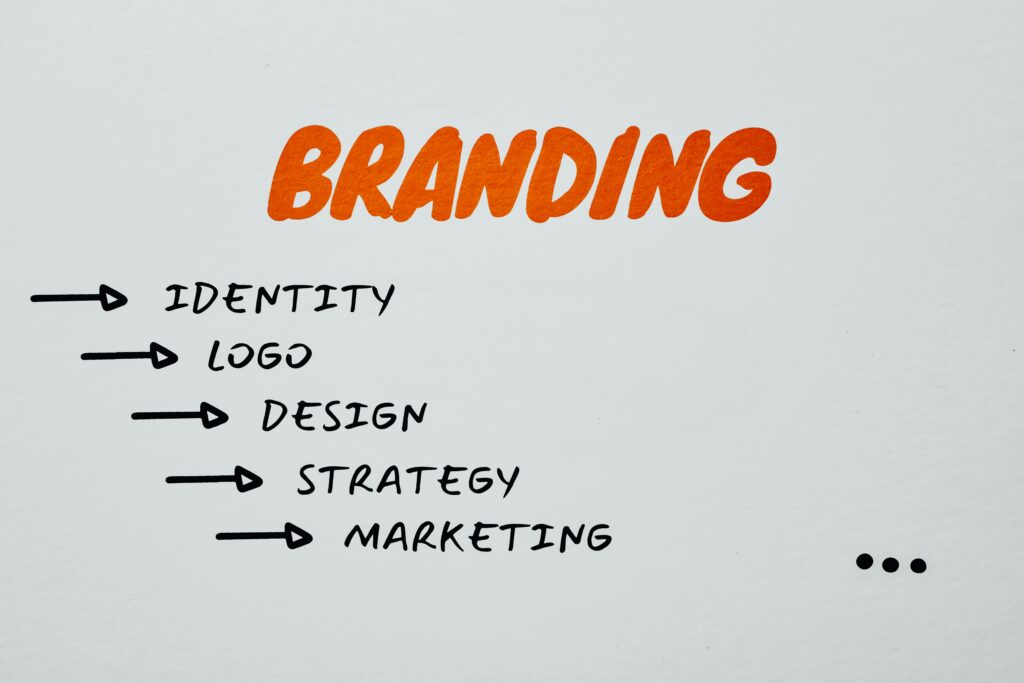
Overview: Why the Elements of a Good Brand Matter
The elements of a good brand work together to shape how customers perceive, remember, and trust a business. Branding isn’t just about visuals—it’s about consistency, clarity, and experience across every touchpoint.
When brands invest in the right elements early, they create stronger recognition, clearer positioning, and long-term loyalty. Understanding these elements helps businesses build a brand that not only looks professional, but also feels intentional and credible—especially when aligned with a defined target audience.
Core Elements That Define a Strong Brand
Every successful brand is built on a foundation of key components working together. Each brand element supports the others, ensuring the brand feels cohesive rather than fragmented.
These branding decisions should be documented in a clear brand guide, giving teams a shared reference point for consistency.

Brand Purpose and Values
One of the most important elements of a good brand is a clear purpose. Customers want to understand why a brand exists and what it believes in.
Strong brand purpose helps businesses:
- Create emotional connections
- Build trust and credibility
- Attract like-minded customers
When values are clearly communicated, brands stand for something beyond their products or services, reinforcing each branding element with intention.
[h3] Brand Positioning and Differentiation
One of the most critical elements of a good brand is clear positioning. Brand positioning defines how a business stands apart from competitors and why customers should choose it.
Effective brand positioning answers:
- Who is this brand for?
- What problem does it solve best?
- What makes it different from competitors?
Strong positioning helps brands avoid competing on price alone and instead compete on value and relevance—an essential part of any long-term brand strategy.
Benefits of clear positioning:
- Stronger brand recall
- More focused messaging
- Easier customer decision-making

Brand Voice and Messaging
Consistent messaging is another critical brand element. How a brand speaks—its tone, language, and personality—shapes how it is perceived by its target market.
Effective brand messaging:
- Creates familiarity across channels
- Strengthens brand identity
- Builds confidence with the audience
A consistent voice ensures customers recognize the brand whether they encounter it on a website, email, or social platform.
Visual Identity and Design
Visual identity plays a major role in brand recognition. Colors, typography, imagery, and layout all work together to support the overall brand experience.
Strong visual branding helps:
- Increase memorability
- Improve professionalism
- Reinforce brand values visually
Each branding element should be documented and standardized so visuals remain consistent across platforms and campaigns.
Brand Consistency vs. Brand Confusion
Consistency is one of the most measurable elements of a good brand. When branding is inconsistent, customers become confused—and confused customers don’t convert.
| Strong Brand Consistency | Weak Brand Consistency |
|---|---|
| Clear messaging | Mixed or unclear messaging |
| Unified visuals | Mismatched colors and fonts |
| Predictable experience | Inconsistent customer experience |
| Builds trust | Erodes credibility |
Maintaining consistency across platforms ensures the brand feels reliable and professional, especially when teams follow a centralized brand guide.
Building Brand Trust and Recognition
Strong brands don’t happen by accident. They are built intentionally through consistent experiences, clear positioning, and an understanding of the target audience.
Consistency Across Touchpoints
Consistency is one of the most overlooked elements of a good brand. When branding feels disjointed, trust erodes.
Consistent branding ensures:
- Clear expectations for customers
- Stronger recognition
- A seamless experience across platforms
From website copy to customer service interactions, consistency reinforces credibility and strengthens each brand element.
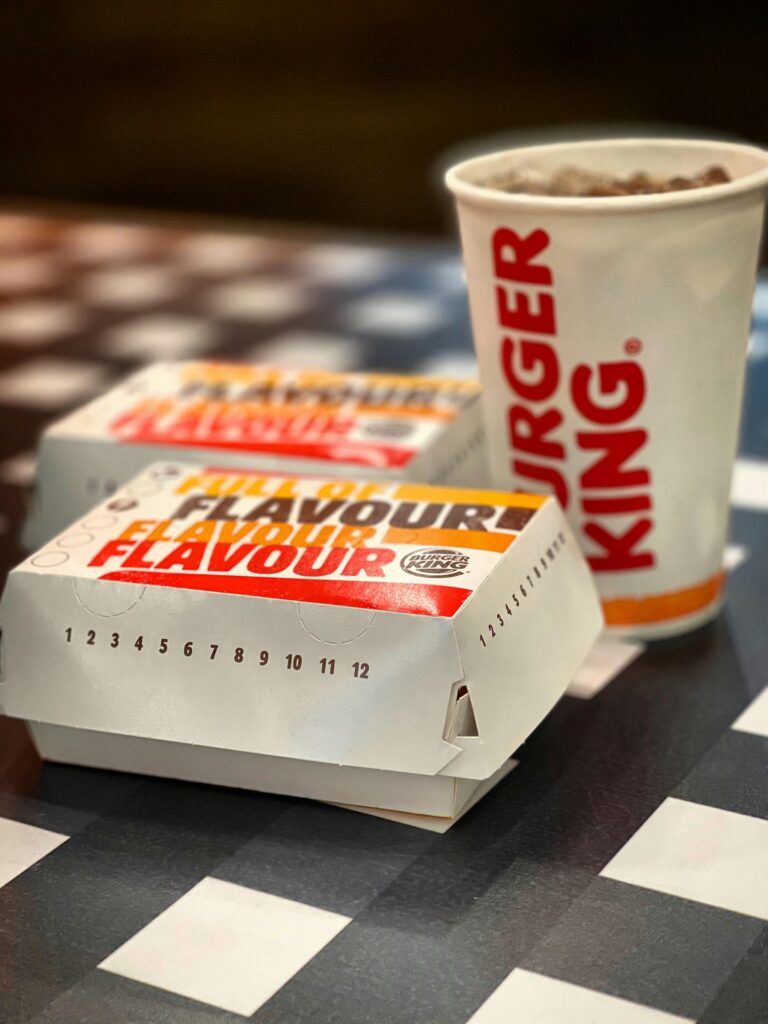
Customer Experience and Perception
A brand is ultimately defined by how customers experience it. Every interaction shapes perception and influences loyalty.
Positive brand experiences lead to:
- Higher customer retention
- Increased referrals
- Stronger emotional attachment
By focusing on experience, brands turn customers into advocates.
Brand Story: A Strong Example of Good Branding
A growing service-based company was struggling with inconsistent leads, even though their offerings were high quality. After reviewing their brand, they realized the elements of a good brand weren’t aligned.
Their website felt corporate and formal, their social content was casual, and their sales team described the company differently in every pitch. Customers were confused about who the brand was and what it stood for.
The company rebuilt its foundation by aligning every branding element:
- Defined a clear brand purpose and core values
- Clarified positioning and ideal customer
- Unified voice across website, email, and social channels
- Updated visual assets for consistency
Once aligned, conversions improved and customers began describing the brand using the same language internally.
Key takeaway:
When every brand element works together, brands gain clarity, confidence, and trust.
Brand Story: A Weak Example of Poor Branding
A retail startup launched with an eye-catching logo and polished website, but little thought was given to deeper branding decisions.
Messaging changed frequently, promotions felt disconnected, and customer service varied widely. Despite strong visuals, the brand lacked cohesion.
As a result:
- Customers were unsure what the brand stood for
- Repeat purchases declined
- Reviews cited inconsistency and confusion
Key takeaway:
Without alignment across branding elements, even attractive visuals fail to build trust.
Recap: The Key Elements of a Good Brand
The elements of a good brand go far beyond design. They include purpose, positioning, messaging, consistency, and customer experience—all working together to create trust and recognition.
When businesses focus on these elements intentionally, they build brands that are easier to remember, easier to trust, and harder to replace. A strong brand isn’t just what customers see—it’s what they feel and expect every time they interact with the business.
By investing in the elements of a good brand, companies create a foundation for sustainable growth, long-term loyalty, and meaningful differentiation in the market.