If you run a small business, you already know the juggling act. One minute you’re handling customer service calls, the next you’re trying to figure out why your Instagram engagement dropped last week. Then there’s bookkeeping, inventory, strategy meetings, and somewhere in there, you’re supposed to actually deliver your product or service.
The reality is that most small business owners start out doing their own marketing because it seems manageable. Post a few times on social media platforms, send occasional email marketing campaigns, keep the website updated, maybe run a marketing campaign here and there. How hard could it be?

Turns out, pretty hard. And if you’ve recently found yourself googling “digital marketing consultant near me” at 11 PM on a Tuesday, you’re not alone. Marketing for businesses has become increasingly complex, and doing it well requires time, knowledge, and consistency that’s tough to maintain when you’re running everything else.
So how do you know when it’s time to get help? Here are five signs that your marketing efforts might need some support.
Sign #1: Your Business Is Ready to Grow but Agency Pricing Feels Impossible
You’ve hit a sweet spot. The business is stable, customers are happy, and you’re seeing consistent revenue. You’re ready to reach more potential customers and scale, but when you start researching marketing agencies, the quotes are shocking.
Many full service digital marketing agencies charge between $5,000 and $20,000 per month. Do the math and that’s $60,000 to $240,000 annually. For most small businesses, whether you’re doing B2B marketing or serving consumers directly, that’s simply not realistic. Even hiring a single experienced marketer full-time can run $70,000+ once you factor in salary, benefits, and training.
The thing about modern business marketing is that you need more than one skill. Social media marketing requires different expertise than SEO. Website development is a different beast from content marketing. Paid media marketing and Google Ads need different thinking than organic social growth. A comprehensive marketing strategy touches multiple channels.
The traditional options leave small businesses in a tough spot. You can’t afford a full agency, but you also can’t afford to hire specialists for every marketing channel you need. This is where alternative models have emerged, such as Green House Sales & Marketing.
It’s worth exploring all your options when you’re in this growth phase. The right small business marketing support and effective marketing strategies don’t have to break the bank, but they do need to fit into a realistic marketing plan.
Learn more about how Green House can help your business grow.
Sign #2: Marketing Is Taking Over Your Life
Remember when you started your business? You probably had a clear vision of what you wanted to build. Maybe you love the craft of what you do, or you saw a gap in the market you knew you could fill.
Chances are, you didn’t start your business because you were passionate about scheduling social media posts or analyzing Google Analytics at midnight.

Yet somehow, marketing activities have become the thing that follows you everywhere. You’re thinking about content ideas during dinner. You’re checking engagement metrics first thing in the morning. You’re watching YouTube tutorials about SEO best practices when you should be sleeping. As a business owner, you’re pulled in too many directions.
When you’re splitting your attention across too many responsibilities, everything suffers. Your actual expertise gets diluted because you’re trying to become an expert in five other things simultaneously. Traditional marketing methods required focus on just a few channels, but today’s digital landscape demands presence everywhere.
Many business owners find that once they delegate marketing tasks, they remember why they started the business in the first place. They can focus on product development, customer relationships, and strategic planning instead of wondering whether they should be posting Reels or TikToks. Building brand awareness and maintaining customer engagement requires dedicated attention that’s hard to give when you’re doing everything.
If you’re spending 15-20 hours a week on marketing tasks that aren’t in your wheelhouse, that’s 15-20 hours you could be investing in what you do best. Understanding your target audience and reaching them effectively takes expertise and consistency.
Sign #3: Social Media Feels Like a Mystery

Let’s be honest about social media. The landscape is confusing, the rules keep changing, and what worked six months ago might be completely ineffective today.
You might know you should be posting regularly. You’ve probably read articles about social media marketing strategy and seen plenty of social media marketing tips. But implementing those tips while running a business is a completely different challenge.
Here’s a question: do you know the practical difference between Instagram Reels, YouTube Shorts, and TikToks? Not just that they exist, but how the content strategy should differ for each? Do you understand why certain audio clips go viral or how the algorithm decides what to show? Video marketing has become essential, but the rules vary dramatically by platform.
The same goes for other emerging channels. Mobile marketing requires different thinking than desktop. Influencer marketing and affiliate marketing have their own best practices. Each marketing channel needs its own approach.
If you grew up without a cell phone, this might feel like learning a foreign language. And that’s completely normal. These platforms evolved quickly, and unless you’ve been deeply immersed in them, the nuances aren’t obvious.
Younger marketers who grew up with these platforms have a genuine advantage here. They’re not just users; they understand the culture, the unwritten rules, and what makes content feel authentic versus forced. They know that what works on LinkedIn will fall flat on TikTok. They can spot a trend before it peaks.
This doesn’t mean older marketers can’t learn these platforms. But there’s value in working with people who already speak the language fluently. Good social media management services for small business should include people who actually understand the platforms at a deep level and can conduct market research to identify what resonates with your target market.
Whether that’s through hiring younger team members, working with a social media marketing company, or finding other creative solutions, the key is recognizing when your social media strategy needs someone who really gets it. You want to reach both existing customers and attract new customers through the channels where they actually spend time.
Need Help? Get in touch with Green House.
Sign #4: Your Website Hasn’t Kept Up With Your Business
Think about the last time you really looked at your website. Not just glanced at it, but actually evaluated it as if you were a potential customer seeing it for the first time.
Is it still accurate? Does it reflect where your business is today, or does it represent where you were three years ago when you first launched? Are there outdated product descriptions, old pricing, or broken links you’ve been meaning to fix?
Your website is often the first real impression potential customers have of your business. An outdated design or clunky user experience can cost you customers before they ever reach out. Slow loading times make people bounce. Poor mobile optimization means you’re losing the majority of users who browse on their phones.
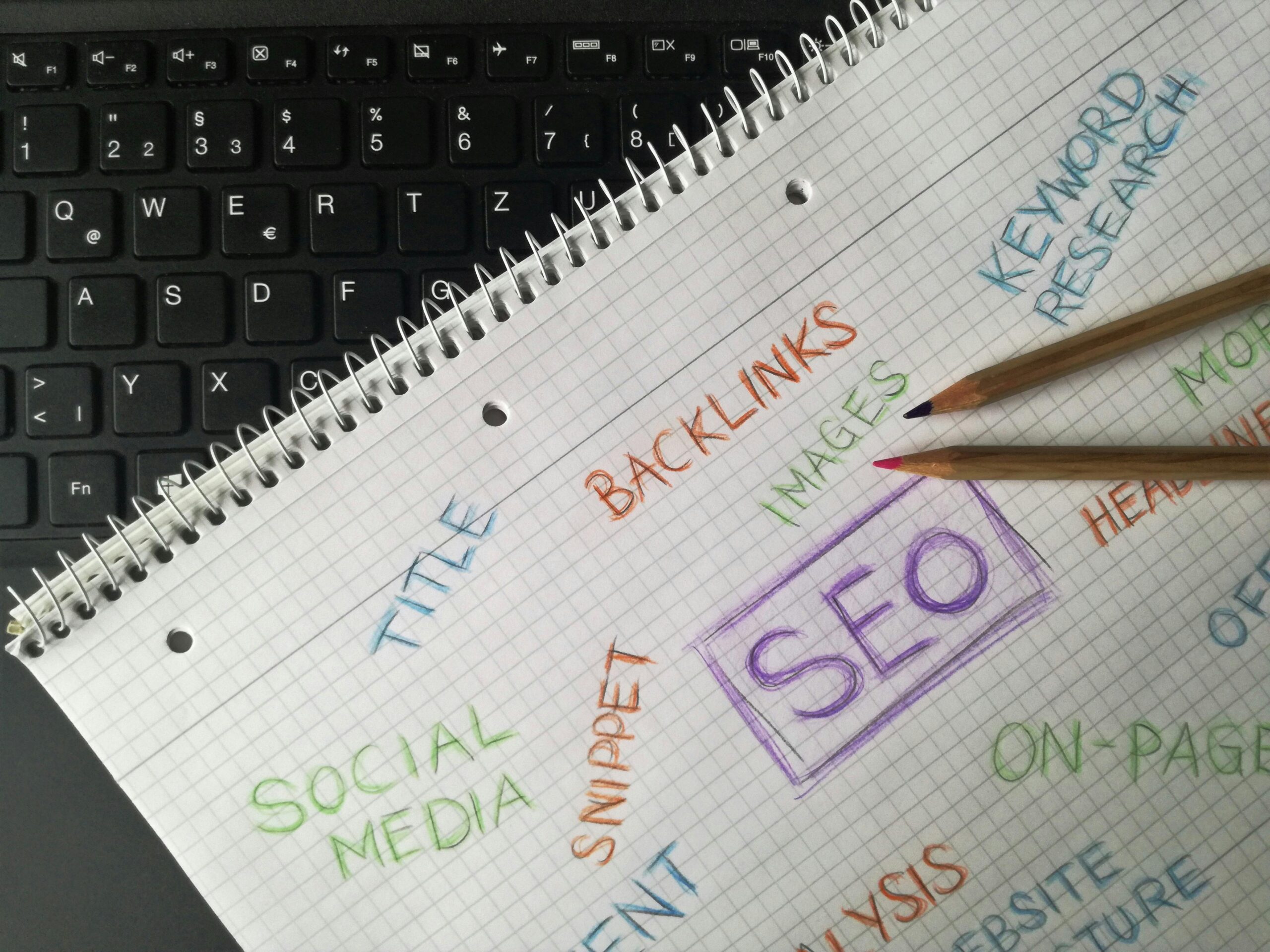
Then there’s the whole world of SEO, or search engine optimization. This is how people find you when they’re searching for services like yours on search engines like Google. Good SEO means potential customers discover you organically, without you having to pay for ads or constantly promote yourself. Local SEO and maintaining an optimized Google Business Profile can be especially powerful for attracting nearby customers.
But SEO isn’t something you set up once and forget. Search engines constantly update their algorithms. On page SEO, local search engine optimization, and technical site performance all play into whether you show up in search results. If your site hasn’t been updated with SEO best practices, you’re likely missing out on organic traffic that could transform your business.
Small business website development services have become more accessible in recent years. Whether you need a complete website redesign or just targeted improvements for conversion optimization and lead generation, investing in your website typically pays dividends. Adding a compelling lead magnet can help you capture visitor information, while integrating referral marketing programs or SMS marketing can turn website visitors into engaged customers.
Your website should work for you, bringing in leads even when you’re not actively promoting. If it’s not doing that, it might be time for an update.
Sign #5: You Can’t Keep Up With Marketing Changes
Marketing moves fast. What worked brilliantly last year might be outdated today. Algorithm changes, new platform features, shifting consumer behaviors, emerging technologies like generative AI… it’s a lot to track.
Consider just the last few years in digital marketing. TikTok went from barely existing to being essential for certain demographics. Instagram completely changed its strategy to prioritize Reels. Google made major updates to how it ranks websites. Privacy changes affected how online advertising works. AI tools emerged that changed content creation and brand strategy fundamentally.
If you’re running a business, you probably don’t have time to stay on top of all these changes. By the time you read about a new digital marketing strategy or trend, it might already be evolving into something else.
This is where having people who are immersed in the marketing world makes a difference. Whether that’s through working with professionals who do this full-time, taking ongoing marketing courses yourself, or finding team members who are currently studying digital marketing strategies, staying current matters.
The marketing education ecosystem moves quickly because it has to. Students taking online marketing courses today are learning techniques that might not have existed when their textbooks were written. They’re earning marketing certifications like HubSpot certification that teach current best practices, not outdated methods.
The goal isn’t to chase every trend or implement every new tactic. But you do want to make informed decisions about where to invest your marketing energy. That requires staying reasonably current with what’s working in social marketing, content marketing, SEO, and online advertising. As a small business owner, you need reliable information without the overwhelm.
Finding the Right Support
If several of these signs resonated with you, it’s probably time to explore getting some help with your marketing. The good news is that you have more options than you might think.
Traditional marketing agencies work well for some businesses. Freelance specialists can handle specific needs like email marketing or content marketing. In-house hires make sense at certain stages. And newer models, like university-based student marketing teams with professional oversight, offer another path forward (Hi, it’s us, Green House!).
The key is finding a solution that matches your budget, your needs, and your growth stage. You don’t necessarily need a massive social media marketing firm or a paid media marketing agency charging five figures monthly. Sometimes what you need is consistent execution across multiple marketing channels, fresh thinking about your target audience, and strategic guidance at a price point that makes sense for small businesses.
Whatever route you choose, the important thing is recognizing when doing everything yourself stops being sustainable. Marketing shouldn’t be the thing that keeps you up at night or prevents you from focusing on what you do best.
Your business deserves marketing that works. And you deserve to reclaim your time and energy for the things only you can do.
Frequently Asked Questions About Small Business Marketing
What are the most effective marketing strategies for small businesses?
The most effective marketing strategies for small businesses typically combine multiple channels rather than relying on just one. A solid foundation includes search engine optimization to help potential customers find you organically, consistent social media marketing to build brand awareness and customer engagement, content marketing to establish expertise and provide value, and email marketing to nurture relationships with existing customers. Many successful small businesses also leverage their Google Business Profile for local SEO, create lead magnets to capture contact information, and encourage referral marketing from satisfied customers. The key is choosing marketing channels that align with where your target audience actually spends time, rather than trying to be everywhere at once.
How much should a small business spend on digital marketing?
Most marketing experts recommend that small businesses allocate between 7-12% of their gross revenue to marketing activities, though this can vary based on your industry, growth stage, and business goals. For a small business generating $500,000 annually, that might mean a marketing budget of $35,000-$60,000 per year. This budget should cover various marketing efforts including social media management, content creation, paid advertising like Google Ads, website maintenance, and potentially email marketing or SMS marketing campaigns. Rather than working with expensive agencies that might charge $5,000-$20,000 monthly, many small business owners are finding success with more affordable options like freelance specialists, marketing consultants, or student marketing teams that provide comprehensive services at a fraction of traditional agency costs.
What’s the difference between traditional marketing and digital marketing?
Traditional marketing refers to offline promotional methods like print ads, TV and radio commercials, direct mail, billboards, and trade shows. Digital marketing encompasses online channels including social media marketing, search engine optimization, email marketing, content marketing, online advertising, mobile marketing, and website optimization. While traditional marketing still has its place, digital marketing offers several advantages for small businesses: it’s typically more affordable, allows for precise targeting of your ideal customer, provides measurable results through tools like Google Analytics, enables real-time adjustments to your marketing strategy, and makes it easier to engage directly with both existing customers and potential customers. Most successful businesses today use an integrated marketing approach that combines the best of both worlds based on their target market and marketing plan.
How can small businesses compete with larger companies in marketing?
Small businesses can effectively compete with larger companies by focusing on their unique advantages and choosing the right marketing tactics. Instead of trying to outspend big competitors, focus on authentic customer engagement, personalized service, and building strong relationships in your local community. Leverage local SEO and your Google Business Profile to dominate local search results. Use social media platforms to showcase your personality and connect directly with customers in ways large companies can’t. Develop a strong content marketing strategy that demonstrates your expertise. Consider influencer marketing or affiliate marketing partnerships with local influencers who align with your brand. Focus on exceptional customer service that generates word-of-mouth and referral marketing. Utilize market research to deeply understand your target audience and create highly targeted campaigns. Small businesses are often more agile, can respond to trends faster, and can build more genuine connections. These are powerful competitive advantages when used strategically.
What marketing channels should a new business prioritize?
For most new businesses, it’s better to excel at a few marketing channels than to spread yourself thin across many. Start by ensuring you have a professional, mobile-optimized website with basic SEO so people can find you through search engines. Set up and optimize your Google Business Profile for local visibility. Choose one or two social media platforms where your target market actually spends time. Don’t feel pressured to be on every platform. Build an email list from day one and send regular email marketing campaigns to stay top-of-mind. Create valuable content that showcases your expertise and helps your target audience solve problems. As you grow and understand what’s working, you can expand into additional channels like video marketing, paid advertising, SMS marketing, or more sophisticated digital marketing strategies. The key is starting with a focused marketing plan and building from there based on actual results rather than trying to do everything at once.
Follow us on our socials to stay in the know for marketing strategies and trends!