You’ve tried everything. Your Facebook ads aren’t converting. Your Instagram posts get minimal engagement. That perfectly polished campaign you spent weeks crafting? It flopped. You’re following all the “best practices” from three years ago, but something’s not clicking.
Here’s the truth: marketing tactics from 2020 aren’t just outdated, they’re actively turning customers away. If you’re still relying on the same old playbook, you’re losing relevance.
Enter Gen-Z marketers, the digital natives who didn’t learn social media from a course; they lived it. At Green House Sales and Marketing, our student-led team brings something traditional agencies can’t replicate: genuine fluency in the platforms driving today’s consumer decisions. This isn’t about hiring young people to “be trendy.” It’s about tapping into a generation that speaks the native language of modern marketing.
The Gen-Z Advantage Isn’t Just About Age It’s About Lived Experience
Gen-Z marketers aren’t better at social media because they’re young. They’re better because they grew up in it. While millennials and Gen X adapted to social platforms, Gen Z never knew a world without them.
The numbers tell the story: 94% of Gen Z use social media daily, spending an average of 6.9 hours per day with media content. TikTok has 83% daily active Gen Z users spending 89 minutes per day on the app. More critically, they understand why content goes viral, how algorithms work, and what makes audiences engage versus scroll past.
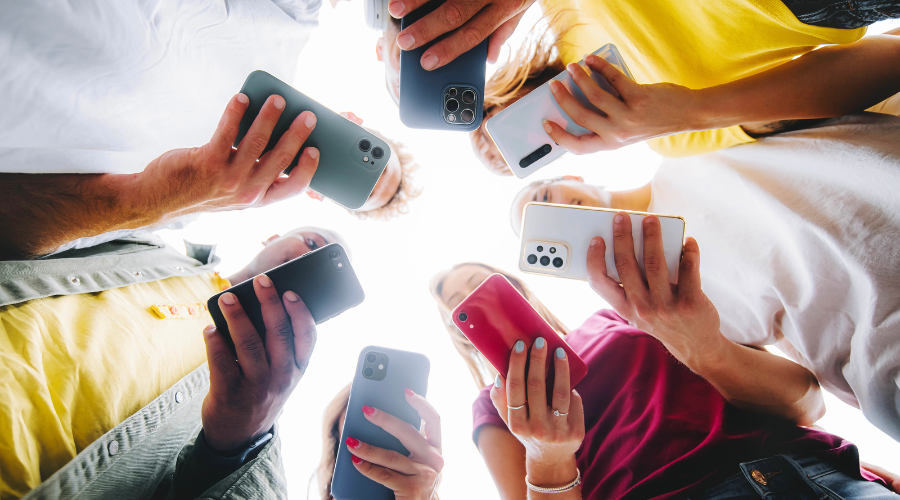
This lived experience translates into marketing strategies that feel native to each platform. A Gen Z marketer knows instinctively that what works on Instagram Reels won’t work on TikTok, despite the similar format. They understand subtle cultural differences, unwritten rules, and when a trend is peaking versus already over.
At our student-run agency at UVU, our team members learn cutting-edge tactics in coursework while simultaneously living the platforms they’re studying. It’s a combination traditional marketers can’t match: academic rigor meets real-world fluency.
Authenticity Isn’t a Buzzword It’s Their Native Language
Everyone talks about authenticity. Few deliver it. Why? For most marketers, authenticity is a strategy they’re executing. For Gen Z, it’s the baseline expectation.
Gen Z has been marketed to their entire lives. They’ve spotted every trick, developed sensitive BS detectors, and know exactly what authentic content looks and feels like. According to research, 56% of Gen Z say social media content is more relevant than traditional media but they’re highly skeptical, with only 14% trusting platforms to handle information responsibly.
Here’s what this means in practice:
Real responses over corporate-speak. Gen Z marketers know that responding with genuine personality beats templated “Thanks for your feedback!” every time. The comment section is where trust is built or destroyed.
Behind-the-scenes over polish. 74% of Gen Z value creators who share authentic personal experiences over aspirational lifestyles. Your Gen Z marketer will push for the slightly imperfect video showing your actual process over the glossy ad.
Knowing when to sit out a trend. Not every viral moment is right for your brand. Gen-Z marketers have the cultural literacy to know when participation feels authentic versus forced.
User-generated content as core strategy. 61% of Gen Z prefer user-generated content to traditional ads. Your Gen Z marketer doesn’t need convincing they’re already planning how to amplify customer voices organically.
This authenticity extends to your brand voice as well. Gen-Z marketers help businesses find the balance between professional and relatable nearly impossible to hit if you’re learning it as a second language.
Platform Expertise That Can’t Be Taught in a Course
You can read all the TikTok guides you want, but if you didn’t grow up with it, you’re always one step behind. Here’s where Gen-Z marketers excel:
TikTok (83% Daily Gen Z Usage): They know algorithm timing matters more than posting schedules, sound selection can make or break content, and native editing beats polish. Over-produced content screams “we don’t get it.”
Instagram (89% Gen Z Users): Despite predictions of its demise, Instagram increased time spent among Gen Z. But it’s evolved. Reels aren’t just short TikToks they have their own culture. Story features drive more engagement than feed posts. The feed is now a curated portfolio, not a diary.
YouTube (92% Monthly Gen Z Usage): Long-form content is making a comeback. 44% of Gen Z watch educational or how-to content, but it needs to be engaging, not lecture-style. YouTube Shorts are different from TikTok despite similar formats.
Perhaps most valuable: Gen-Z marketers aren’t afraid of new platforms. When Reddit usage among Gen Z jumped 14% in a single year, reaching 62% of 18-24 year olds, Gen Z marketers were already there. This adaptability means your business isn’t left behind when the next platform emerges.
Influencer Marketing Through a Gen-Z Lens
If you’re thinking about influencer marketing as “pay a celebrity to post about our product,” you’re five years behind. Gen-Z marketers fundamentally changed how this works—because they were the audience it evolved to reach.
Research reveals that 52% of Gen Z feel closer to social media creators than TV personalities. 72% have purchased after seeing influencer recommendations. But here’s the critical part: Gen Z is 3.2 times more likely to trust a micro-influencer recommendation (69%) than a celebrity endorsement (22%).
Your Gen Z marketer intuitively understands what these statistics represent. They’re not looking at follower counts first. They’re evaluating audience alignment, engagement authenticity, content consistency, and value alignment. They push for ongoing creator partnerships rather than single posts, knowing 68% of Gen Z prefer brands that teach them something new while keeping it fun.
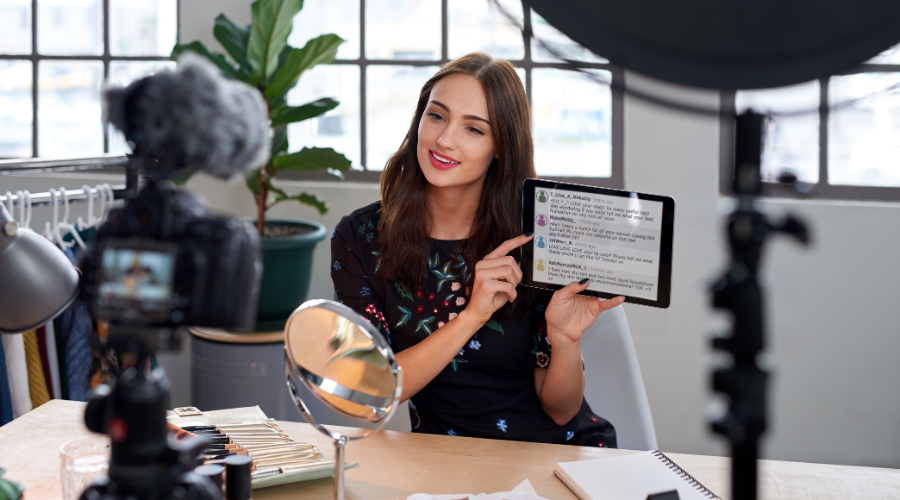
Gen Z isn’t just consuming influencer content many are creators themselves. 48% of Instagram creators and 44% of YouTube creators fall into Gen Z age range. Your Gen Z marketer understands the creator economy from both sides: what motivates creators, how they negotiate, and what makes partnerships genuinely beneficial rather than transactional.
Real Business Results (Not Just Engagement Metrics)
Let’s talk about what matters: results. Here’s where Gen-Z marketers deliver tangible value:
Higher conversion rates: When 61% of Gen Z prefer user-generated content, and your Gen Z marketer structures campaigns around authentic customer voices, conversion rates improve.
Better ROI on influencer campaigns: Micro-influencer campaigns deliver engagement rates up to 60% higher than mega-influencer campaigns and Gen-Z marketers know how to structure these partnerships for maximum impact.
Faster adaptation: When Instagram prioritized Reels or TikTok adjusted algorithms, brands with Gen Z teams adapted fastest because they noticed shifts in their own feeds.
Reaching under-35 demographics: 46% of Gen Z now prefer social media platforms to search engines when looking for information. If your strategy assumes people find you through Google, you’re missing half your potential audience.
Cost-effective strategy: Gen-Z marketers deliver better results for less money because they know which tactics work versus expensive trends. In a student agency model like Green House, you get this expertise at a fraction of traditional agency costs.
Check out our portfolio to see real examples of how our student team has delivered measurable growth for businesses.

How to Leverage Gen-Z Marketing Talent
Set clear goals, then get out of the way. Tell them you want to increase qualified leads by 25%. Don’t tell them which content formats to use. They know what works.
Value their platform expertise. If your Gen Z marketer suggests a counterintuitive strategy, listen. They’re protecting you from mistakes.
Expect data-backed recommendations. Gen Z will show you the data, explain why tactics work, and test, measure, and iterate.
Be transparent about brand values. Authenticity matters to Gen Z personally. Be honest about what your company stands for. This transparency helps them represent your brand authentically.
Allow fast-paced iteration. Waiting two weeks for approval on a trending moment means you’ve missed it. Trust them to move quickly within brand guidelines.
At Green House, we combine Gen Z’s fresh perspective with professional oversight. Our UVU student team brings platform fluency with structured supervision, professional account management, and quality assurance. You get current education on latest platforms, affordable pricing, authentic voice, and reliable agency management.
Want to learn more about understanding your audience? Our Gen Z team brings lived experience in how modern consumers think, discover, and buy.
The Bottom Line: Your Marketing Needs Fresh Eyes
The marketing landscape has fundamentally changed. Tactics from three years ago don’t just deliver diminishing returns they actively hurt your brand with younger audiences who spot outdated strategies instantly.
Gen-Z marketers bring authentic understanding of platform cultures, lived experience with content formats that drive engagement, intuitive knowledge of what feels genuine, fresh perspectives that challenge outdated assumptions, and cost-effective strategies that deliver measurable results.
Ready to grow with fresh marketing perspectives? Learn more about Green House’s student-led marketing services and discover how our Gen-Z team can transform your social media strategy.
Frequently Asked Questions
What makes Gen-Z marketers different from traditional marketers?
Gen-Z marketers bring lived experience with social platforms rather than learned expertise. They grew up immersed in social media culture, giving them intuitive understanding of authenticity, platform-specific best practices, and emerging trends. They’re learning 2025 strategies in classrooms, not outdated 2020 tactics.
Are Gen-Z marketers experienced enough to handle professional campaigns?
Yes, especially in supervised environments like student agency models. At Green House, our student team manages real client campaigns with professional oversight and quality assurance. 94% of Gen Z use social platforms daily, spending 6.9 hours consuming content—more platform hours than most traditional marketers accumulate.
How do Gen-Z marketers approach influencer marketing differently?
Gen-Z marketers prioritize micro-influencers over celebrities, knowing Gen Z consumers are 3.2 times more likely to trust micro-influencer recommendations (69%) than celebrity endorsements (22%). They structure partnerships as long-term collaborations, understand the creator economy from both sides, and can immediately spot whether partnerships will feel authentic or like obvious paid promotions.