If you’ve ever spent an hour crafting the perfect post only to get three likes and zero comments, you’re not alone. Learning how to increase social media engagement is one of the biggest challenges businesses face in social media marketing, because posting alone is no longer enough. Algorithms reward content that sparks conversation, and audiences reward brands that feel human.
The good news? Engagement isn’t luck. It’s the result of a clear social media engagement strategy, thoughtful social media planning, and a willingness to actually talk with your followers. In this guide, we’ll break down what engagement really means, why it matters, 12 proven ways to boost it, and how to measure your results.
What Is Social Media Engagement?
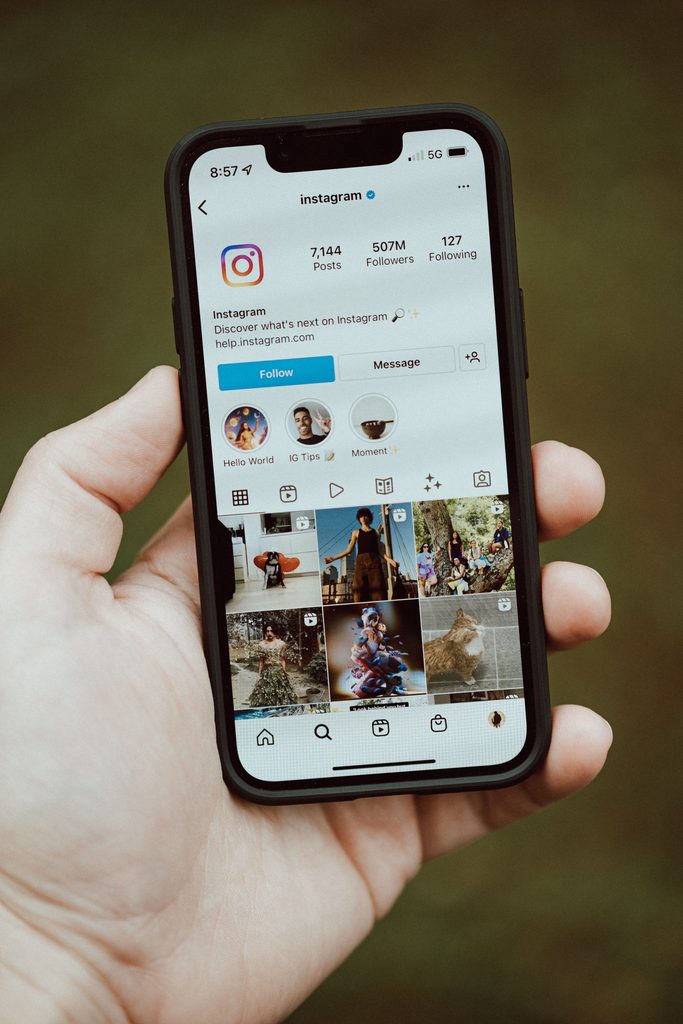
Social media engagement is any action people take when they interact with your content or brand online. That includes likes, comments, shares, saves, clicks, replies, mentions, and direct messages.
Not all engagement carries the same weight. A like takes half a second, while a comment, share, or save shows that someone found your post valuable enough to act on. Most platforms treat these deeper interactions as stronger signals, which is why they often lead to wider reach. When you think about engagement, think less about vanity numbers and more about real conversations.
Why Social Media Engagement Matters for Your Business
Engagement is the bridge between being seen and being chosen. Here’s why it deserves a place at the center of your content and social media marketing:
- It expands your reach. Platforms like Instagram, TikTok, Facebook, and LinkedIn show content to more people when it earns interaction early on. More engagement means more organic visibility without paying for ads, which builds brand awareness over time.
- It builds trust. When people see a brand responding to comments and sharing customer stories, it feels approachable and credible.
- It turns followers into customers. Engaged followers are more likely to visit your website, ask questions, and eventually buy.
- It gives you free feedback. Comments and direct messages reveal what your audience likes, what confuses them, and what they want to see next.
How to Increase Social Media Engagement: 12 Proven Strategies
These strategies work for businesses of any size, from local shops to growing brands.
1. Know Your Audience and Where They Spend Time
You can’t engage people you don’t understand, so start by defining your target audience. Look at demographics, such as age, location, and job title, then dig into psychographics: their interests, values, frustrations, and goals. Turning that research into a buyer persona, and using social listening to see what people say about your brand, helps you speak to your target audience instead of a generic crowd. Free tools like Instagram Insights show who follows you and when they’re online.
Then focus on the social media platforms where your target audience already spends time. TikTok and Instagram are strong for visual content and younger audiences, LinkedIn works well for B2B and professional services, and Facebook remains useful for local communities. Two or three platforms you manage well beat six you can’t keep up with.
2. Set Clear Goals and Plan Ahead
A strong social media engagement strategy starts with specific, measurable goals, such as increasing comments by 20% this quarter or doubling saves on educational posts. Clear goals help you decide what to post and which metrics to watch.
Consistency is nearly impossible without social media planning. Build a content calendar that maps out your posts a few weeks in advance, and use scheduling tools like Meta Business Suite, Later, Hootsuite, or Buffer to keep your feed active during busy weeks. Planning also makes it easier to repurpose content, like turning a blog post into an Instagram carousel or a short video.
3. Build a Social Media Engagement Strategy With Clear Goals
A strong social media engagement strategy starts with specific goals. Aim for something measurable, such as increasing comments by 20% this quarter or doubling saves on educational posts. Clear goals help you decide what to post, which metrics to watch, and whether your efforts are paying off. Revisit them every few months as your audience grows.
4. Make Your Content Relatable and On-Trend

People engage with brands that feel human, not ones that sound like a sales pitch. Use storytelling to share real moments from your team, your customers, and behind the scenes of your business. Relatable content builds trust and gives followers a reason to comment and share.
Keeping up with social media trends is one of the easiest ways to increase social media engagement. Watch for trending audio, popular formats, and timely conversations in your industry. Jump on the trends that fit your brand voice, put your own spin on them, and skip the ones that feel forced.
5. Balance Your Content Mix
Followers tune out brands that only sell. Many marketers follow the 80/20 rule: about 80% of your social media content should educate, entertain, or inspire, and about 20% can promote your products or services. Rotate between tips, behind-the-scenes looks, customer spotlights, industry news, and the occasional offer.
6. Prioritize Short-Form Video

Short-form video content is one of the most effective ways to boost social media engagement. Instagram Reels, TikToks, and YouTube Shorts are favored in feeds and are easy to share. A smartphone, good lighting, and a strong hook in the first three seconds go a long way. Try quick tutorials, day-in-the-life clips, trending audio, or answers to common customer questions.
7. Use High-Quality, Original Visuals
People scroll fast, and blurry or generic images get skipped. Use clear, well-lit photos and branded graphics that match your colors and fonts. Whenever possible, choose original images over stock photos. Real photos of your team, products, and customers feel more authentic and help your brand stand out.
8. Run Giveaways and Contests
A social media giveaway or contest is one of the fastest ways to boost engagement and expand your organic reach. Ask followers to enter by liking, commenting, tagging a friend, or sharing a photo with your product, which also generates user-generated content you can repost later.
Keep the rules simple; choose a prize your target audience actually wants, and end with a clear call to action. Check each platform’s promotion guidelines before you launch, then announce winners publicly to build brand awareness and excitement for your next contest.
9. Encourage User-Generated Content

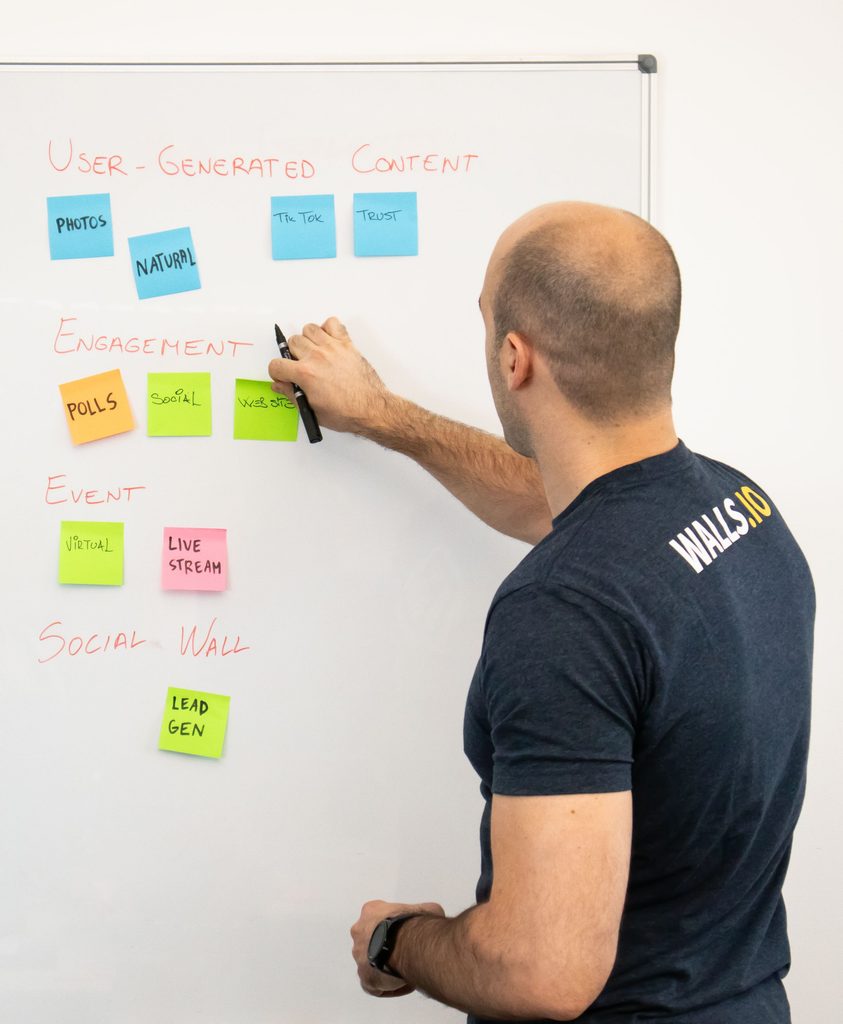
User generated content (UGC) is any content your customers create about your brand, such as photos, reviews, videos, or testimonials. It works because people trust other customers more than they trust brand advertising. Encourage UGC by creating a branded hashtag, running a photo contest or giveaway, or simply asking happy customers to tag you. Always ask permission before reposting and credit the creator. Sharing UGC also makes customers feel seen, which strengthens loyalty and builds a community around your brand.
10. Go Live and Host Q&As
Live video creates real-time conversation that pre-recorded posts can’t match. Host an Instagram Live or Facebook Live Q&A, product demo, or behind-the-scenes tour, and promote it a few days ahead. Answer questions by name during the stream to make viewers feel included.
11. Respond Quickly, Even to Negative Comments
Engagement is a two-way street. Reply to comments and messages as quickly as you can, ideally within a few hours. Thank people for praise, answer questions clearly, and handle criticism professionally. When a complaint comes in, acknowledge it publicly, apologize where appropriate, and move the conversation to a private message to resolve it. A thoughtful response to a negative comment can earn more trust than a dozen positive ones.
12. Engage With Other Brands Using the 5-5-5 Rule

Your engagement shouldn’t stop at your own page. Comment on posts from local businesses, industry leaders, and partners. The 5-5-5 rule makes this a simple daily habit: react to five posts, leave five thoughtful comments, and share five pieces of content from others in your space. Showing up in other communities puts your brand in front of new audiences and builds valuable relationships.
How to Measure Your Social Media Engagement Rate
Your social media engagement rate shows how many people interact with your content compared to how many could have. The most common formula is:
Engagement rate = (Total engagements ÷ Total followers) × 100
For example, if a post gets 50 likes, comments, and shares and you have 1,000 followers, your engagement rate is 5%.
Some marketers divide by reach or impressions instead of followers, which gives a more accurate picture of how people respond to the posts they actually see. Whichever method you choose, use it consistently.
Beyond engagement rate, watch these engagement metrics in your platform analytics:
- Comments, shares, and saves: your strongest signals that content is valuable
- Reach and impressions: how many people see your posts
- Click-through rate: how often posts drive traffic to your website
- Follower growth: whether your audience is growing over time
Review your engagement rates monthly and compare them across social media platforms. Double down on the social media content that performs well, adjust or drop what doesn’t, and keep experimenting with new formats.
Frequently Asked Questions About Social Media Engagement

What is a good engagement rate on social media?
It depends on the platform, industry, and audience size, but many benchmarks place a healthy engagement rate somewhere between 1% and 5%. The most useful benchmark is your own: aim to beat last month’s numbers.
What is the 5-5-5 rule on social media?
The 5-5-5 rule is a daily engagement habit. Each day, you react to five posts, comment on five posts, and share five posts from other accounts in your industry or community. It keeps your brand visible and helps you build relationships beyond your own followers.
How often should a business post on social media?
Consistency matters more than volume. For most businesses, posting three to five times per week on your main social media platforms is a manageable starting point. Use your analytics to find when your audience is most active, then adjust your schedule.
Why is user-generated content important for engagement?
UGC builds trust because it comes from real customers rather than the brand itself. It also encourages more people to create and share content about you, which naturally increases your reach and engagement.
Ready to Boost Your Engagement? Let Green House Help
Now that you know how to increase social media engagement, the next step is putting it into action. Get to know your audience, build a clear social media engagement strategy, commit to consistent social media planning, and make room for real conversation, from user-generated content to live Q&As.
If you’d like a team in your corner, Green House, the marketing agency at Utah Valley University, can help. We handle content and social media marketing, from strategy to daily posting, for Utah businesses that want an audience that doesn’t just scroll past, but actually engages. Contact Green House today to start turning your followers into a community.