
The Creative Process: Building a Brand Story That Converts; From Idea to Identity
Think about a greenhouse for a moment. Plants don’t just magically flourish because someone had a creative vision for a garden. They grow because the right conditions are carefully cultivated with proper light, consistent watering, nutrient-rich soil, and patience. The same principle applies to building a brand story that actually converts.
Too many businesses treat branding like a lightning strike of inspiration: hire a designer, pick some colors, write a clever tagline, and hope it resonates. But here’s the truth: a brand story isn’t “inspiration striking.” It’s a disciplined creative process that blends business strategy, human instinct, and purposeful visual expression to drive measurable results.
At Green House Sales and Marketing, we’ve learned that the most powerful brands emerge from a structured, strategy-first approach. Whether you’re a small business founder trying to stand out in a saturated market or a marketing student building your portfolio, understanding this process is what transforms good ideas into strong brands that build trust, foster loyalty, and create lasting relationships with customers.
1. The Foundation: Mission & Values as Story Seeds
Every brand story begins underground, with roots that most people never see. Before you think about logos, color palettes, or social media content, you need clarity on your mission and values. These aren’t just words on your “About” page, they’re the seeds of your entire brand narrative, and the roots of customer trust.
At Green House, our initial client intake and audit focuses heavily on the “why.” We treat the client’s values not as buzzwords but as narrative blueprints for the authentic brand narrative.
How Green House Translates Values into Narrative
- Extraction: We ask founders questions that drill past product specifications: Why did you start this? What gap are you filling? This process helps us extract core values like reliability, transparency, or commitment.
- The Promise: We help the brand crystallize its promises to the customer. Your values must translate into consistent behavior across every customer touchpoint. Brand trust is built through consistent action, not clever marketing.
When you extract these core truths, you’re not inventing a brand story, you’re uncovering one.
Practical Framework: The Value Extraction Exercise
This foundation work isn’t glamorous, but it’s where lasting relationships are built.
- List 5-7 moments when your business delivered exceptional customer experience. What values kept showing up?
- Test for authenticity: Could your competitors claim these same values? If yes, dig deeper until you find what makes your approach unique.
- Translate to behavior: How do these values show up in your daily operations, not just your marketing?
When your brand identity emerges organically from genuine values, customers sense that authenticity and trust follows naturally.
2. The Balance: Strategy Meets Consistent Action (The 4-Step Framework)
The greatest challenge in the creative process is managing the tension between instinct and measurable business strategy. Unchecked creative instinct can lead to beautiful but ineffective work. The key is finding the sweet spot where creative strategy uses data to guide passion, not govern it.
At Green House, we ensure the creative direction aligns with the brand’s specific business goals from the very start. Every creative decision is made with an eye toward Key Performance Indicators (KPIs):
- Goal: Higher Conversions? The creative must prioritize clear calls-to-action, emphasizing reliability and immediate value.
- Goal: Better Lead Quality? The brand story must be highly specific, clearly articulating who the brand serves (and who it doesn’t).
- Goal: Higher Retention/Loyalty? The brand’s ongoing communication must focus on nurturing the existing relationship through consistent effort and positive experiences.
The Green House 4-Step Creative Framework
As a student-led agency guided by industry professionals, Green House uses a concise, structured 4-step framework to manage every project, ensuring accountability and alignment:
- Discover & Define: Client intake, audience research, value extraction, and goal-setting (The “Why”).
- Strategize & Design: Developing the core brand strategy, wireframing, initial visual storytelling mock-ups, and building the foundational brand identity.
- Execute & Produce: Content creation, website development, final design production, and rigorous quality assurance.
- Launch & Analyze: Soft launch, monitoring KPIs, gathering feedback, and planning for ongoing consistent action and optimization.
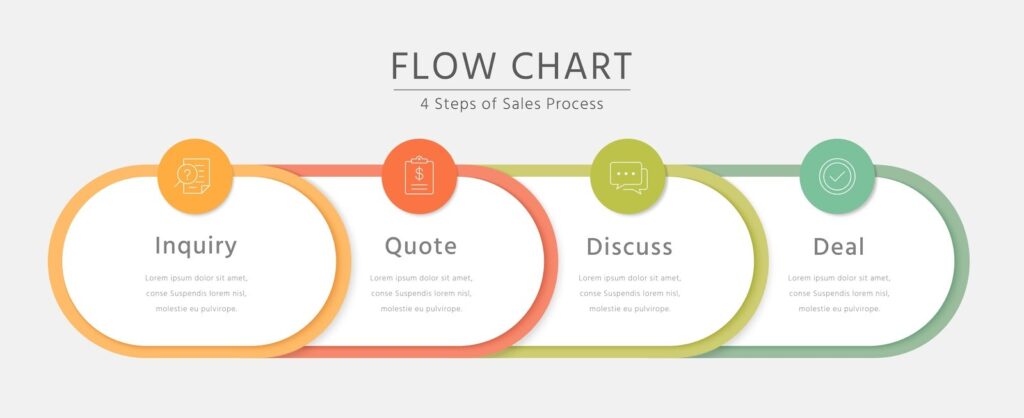
The Key Insight: Strategy doesn’t limit creativity, it focuses it. When you know exactly what business goals you’re trying to achieve, creative decisions become clearer, not more constrained. You’re crafting a brand story that builds trust with real customers and drives measurable growth.
3. The Expression: Visual Storytelling Builds Recognition
Visual storytelling isn’t where brand building begins; it’s where strategy and values become tangible and visible. Every visual element functions as a “story cue” that either reinforces or contradicts the central brand narrative. Inconsistent branding here is fatal; it breeds doubt and quickly erodes brand trust.
The Anatomy of Visual Brand Storytelling
- Color as Emotional Shorthand: Colors are psychological triggers. A financial brand uses deep blues for reliability and trust. A creative agency uses bold colors for innovative thinking. The key is visual consistency.
- Typography as Voice: Your fonts literally speak for your brand. A structured serif font implies heritage and reliability, while a clean sans-serif suggests modernity and transparency.
- Photography & Videography as Proof Points: Strategic, well-executed visual content doesn’t just make your brand look better; it tells stories that build credibility and trust. Green House’s affordable model helps small businesses create content that demonstrates expertise and humanizes your brand.
Multi-Platform Consistency is Consistent Behavior
Visual consistency doesn’t mean identical content across platforms. It means consistent brand behavior expressed through platform-appropriate formats.
| Platform | Role in Brand Story | Consistency Goal |
| Website | Comprehensive visual storytelling; strategic customer journey. | Flawless aesthetic and functional alignment. |
| Short-form video and carousels; builds emotional connections. | Consistent visual identity and emotional tone. | |
| Professional thought leadership; establishes credibility. | On-brand graphics and authoritative voice. | |
| Reliable communication; strengthens relationships. | Branded templates and predictable messaging. |
The key word throughout is Consistency. Whether it’s consistent messaging, consistent visual treatment, or consistent customer experience, this reliability builds trust. And trust builds long-term customer loyalty.
4. Expert Advice: Standing Out Through Consistency
We sat down with Damian, a key member of Green House’s creative and branding team, to get his practical, real-world advice for anyone looking to build a brand that cuts through the noise.
1. Authenticity Beats Perfection Every Time
“Stop chasing an impossible standard of perfection. Your audience values authenticity and consistent behavior they can trust more than a flawless presentation. Being genuine, demonstrating your commitment and transparency is the fastest way of building a deeper connection.”
2. Strategy First, Aesthetics Second
“Beautiful design that doesn’t serve a business purpose is just decoration. Always start with the question: What behavior are we trying to drive? Then reverse-engineer the creative to support that goal. If you can’t articulate the strategic goal, you’re not ready to execute creatively.”
3. Consistency Compounds Over Time
“Trust isn’t built in 30 days. Relationships require consistent effort over time. It’s better to post high-quality, on-brand content twice a week consistently than to post daily for a month and then disappear. Consistent messaging and consistent action build credibility that inconsistent branding never will.”
4. Leverage Your Constraints
“Being a student-led agency could be seen as a limitation, but we’ve turned it into our competitive advantage: affordable, mentored quality. Small businesses should think the same way: Reframe constraints (limited budget, small team) as opportunities for deeper connection or creative, authentic solutions.”
5. Focus on Relationships, Not Transactions
“Branding is about building a relationship. Audit your customer journey for trust signals where you demonstrate reliability, show accountability, and create emotional connections? Strong relationships aren’t built through clever marketing, they’re built through behavior that consistently meets or exceeds clear expectations.”
Final Thoughts: The Accessible Path to Powerful Branding
The creative process of building a brand story is accessible and achievable, especially with a strategy-first approach. It’s a process of planting seeds (your values), carefully tending the soil (your creative strategy), and ensuring the growth (consistent effort and visual storytelling) is aligned with your goals.
The Green House model proves this every day. We pair passionate students gaining real-world experience with small businesses who need affordable, professional brand building.
Ready to move past creative guesswork and start seeing measurable growth built on a foundation of trust?
For Business Owners & Founders:
Ready to Build Your Breakthrough Brand? Stop guessing about your brand story. Let the next generation of marketing talent and a structured creative process craft a brand strategy that delivers real business growth. Our Fertilizer Package is designed to deliver consistent, high-impact results.
Contact Green House for a Strategy Session
For Students & Early Career Professionals:
Turn Creative Passion into Real-World Experience. If you’re a UVU student interested in brand strategy, visual storytelling, or the creative process, learn how you can join the Green House team, build your professional portfolio, and contribute to real client growth.