First impressions matter. In fact, impressions matter more online than almost anywhere else in business.
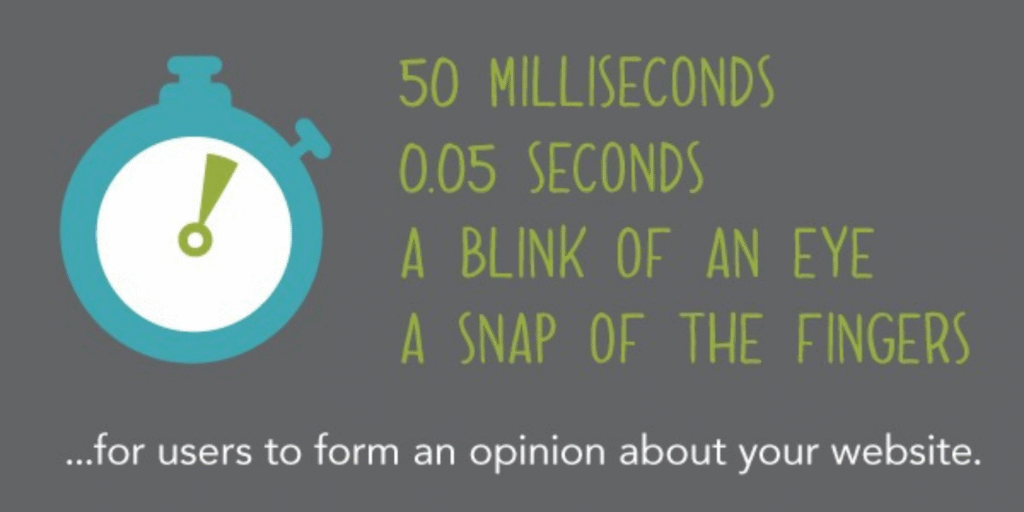
In just 0.05 seconds 50 milliseconds website visitors form an opinion about your business. Before they read your services. Before they see your pricing. Before they check reviews or social proof. That first interaction happens entirely through visual cues, and it shapes everything that follows.
Many business owners believe their reputation, referrals, or years of experience will carry the weight. But the reality is simple: Your website design speaks before you do.
And in 2026, a poorly designed website doesn’t just look dated, it quietly erodes trust.
Stanford research shows that 75% of users judge a company’s credibility based on website design alone. That means three out of four potential customers are deciding whether your business feels trustworthy before they ever engage with your content.
Your website is your digital handshake. If it’s weak, cluttered, slow, or outdated, visitors move on often without realizing why.
The Psychology Behind Digital First Impressions
Human brains are built for speed. When users land on a website, their brains immediately scan for signals that answer one question:
Is this business credible?
Research on user behavior shows that people make these decisions subconsciously. This is why the 5 second test exists if users can’t immediately understand who you are and whether they trust you, they leave.
Why 0.05 Seconds Matters
In that first fraction of a second, visitors evaluate:
- Visual appeal
- Layout and clarity
- Brand identity
- Professionalism
- Ease of use
They are not analyzing your copy. They are reacting to your user experience.
A well designed website creates instant confidence. A bad website introduces friction and doubt. And doubt is the fastest way to lose a potential customer.
Website Design as a Trust Signal
According to Stanford’s Web Credibility Research, design is the single strongest trust signal on a website. Typography, spacing, colors, imagery, and structure all influence credibility judgments.
Strong trust signals say:
- “This business is legitimate.”
- “This company pays attention to details.”
- “I feel comfortable reaching out.”
Weak trust signals say:
- “Something feels off.”
- “This looks outdated.”
- “I should keep looking.”
Visitors don’t debate these impressions. They act on them.
Learn More Now!
The Trust Gap: When Great Businesses Have Poor Websites
One of the most common challenges we see especially with established companies is the trust gap.
These are businesses that:
- Deliver exceptional service
- Have loyal customers
- Rely on referrals and word of mouth
- Haven’t updated their website in years
Offline, they’re thriving. Online, their presence tells a different story.
When Your Website Undermines Your Reputation
Imagine a potential customer searching for a service provider. They compare two options in a search result:
- Business A has a modern, mobile friendly website with clear navigation and fast loading speed.
- Business B has a poorly designed website that loads slowly, looks cluttered, and isn’t optimized for mobile users.
Even if Business B provides better service, users rarely stick around long enough to find out.
A poorly designed website creates an immediate disconnect between service quality and brand perception. This is where credibility quietly erodes.
And in competitive industries, visitors don’t give second chances.
What Visitors Are Actually Judging on Your Website
Most users can’t explain why they trust or distrust a website but their behavior tells the story. Bounce rates, time on page, and user engagement all reflect how visitors feel.
Here’s what’s being evaluated almost instantly.
Loading Speed
Fast loading speed signals professionalism. Slow sites frustrate users and damage trust.
Tools like Google PageSpeed Insights show that even small delays increase abandonment. Speed isn’t just a technical issue it’s a credibility issue.
Mobile Responsiveness
With the majority of website traffic coming from mobile users, mobile responsiveness is non-negotiable. A mobile friendly website ensures your content is accessible, readable, and usable on any device.
If users have to pinch, zoom, or wait, trust disappears.
Visual Clarity and Structure
Good website design creates hierarchy. Visitors should immediately understand:
- Who you are
- What you do
- Where to go next
Clutter overwhelms users and reduces confidence.
Brand Identity and Visual Consistency
Your brand identity should feel intentional and consistent across your website, social media, and digital marketing channels. Inconsistency weakens brand recognition and company’s credibility.
Strong brand identity builds familiarity. Familiarity builds trust.
Social Proof
Testimonials, reviews, and recognizable logos act as social proof but only if they’re presented cleanly. When paired with strong web design, social proof reinforces confidence and supports building trust.
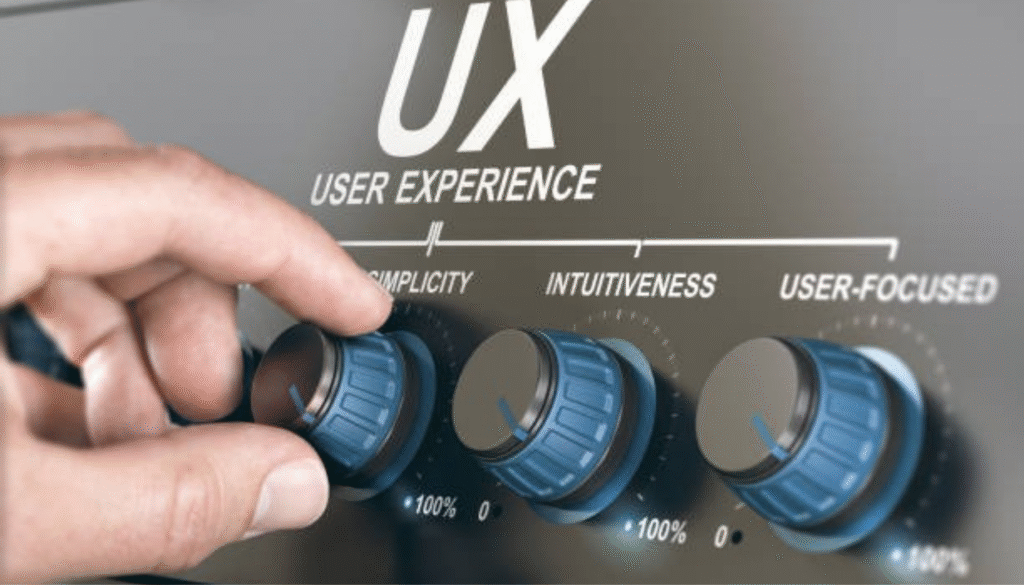
How Website Design Impacts User Experience and Engagement
User experience isn’t just about usability it’s about emotion.
A good website design guides visitors naturally. A bad one forces them to work. And when users have to work, they leave.
Positive user experience leads to:
- Higher user engagement
- Longer time on site
- Increased website traffic
- Better conversion rates
Negative experiences result in:
- Higher bounce rates
- Lower trust
- Missed opportunities
Search engines reward websites that users enjoy interacting with. That means web design directly affects search engine optimization, visibility, and long-term growth.
Why Website Design Is a Business Investment, Not an Expense
Many small business owners hesitate to invest in a new website because they view it as cosmetic. But a well designed website is not decoration, it’s infrastructure.
Your website supports:
- Digital marketing campaigns
- Google Ads performance
- Social media traffic
- Search engine results
- Brand perception
A new website built with user experience and trust in mind becomes a long-term asset.
The Cost of Doing Nothing
An outdated website costs more than most businesses realize:
- Lost visitors
- Lower conversions
- Reduced trust
- Missed growth opportunities
A good website design pays for itself by aligning your online presence with the quality of your services.
First Impressions Shape Every Subsequent Impression
Once visitors form an opinion, everything after is filtered through that lens. These subsequent impressions either reinforce trust or struggle to overcome doubt.
A well designed website sets the stage for:
- Strong brand recognition
- Higher credibility
- More loyal customers
- Better long-term performance
A bad website forces your business to fight uphill for attention and trust.
The Bottom Line: Your Website Has 0.05 Seconds
Your website is often the first interaction users have with your business. At that moment, they’re not judging your experience, they’re judging your presentation.
In 0.05 seconds, visitors decide:
- If they trust you
- If you feel credible
- If they should stay or leave
Your service quality deserves an online presence that reflects it.
If your website feels outdated, slow, or unclear, it may be costing you more than traffic it may be costing you trust.
Ready to See How Your Website Measures Up?
Green House Sales and Marketing offers free UX Reviews to help businesses identify credibility gaps and growth opportunities.
If you’re wondering whether your website is helping or hurting your brand, we’ll give you clear, honest insight.
Contact us today or mention “WEB” to get started.
Your website already makes an impression, let’s make sure it’s the right one.