If customers can’t find your business online, they’ll find your competitor instead. It happens quietly, too. Someone searches for exactly what you offer, spots a competitor with a clean website and a “book now” button, and clicks. You never even know they were looking.
That is why the benefits of a website for a small business matter so much. A website helps customers find you, trust you, and buy from you, even while your doors are closed. Here are seven benefits that show why a website is one of the smartest investments a small business can make.
1. Customers Expect to Find You Online
Your Website Works as a 24/7 Storefront
Your physical location closes at 5 PM, but your website never does. Customers can learn about your services, check your prices, read reviews, and contact you at any hour. For a small business with limited staff, that round-the-clock presence is like hiring a salesperson who never takes a day off, one who also supports lead generation in the background.
Today, searching online is the first step in nearly every buying decision. People look up restaurants before dining out, read about contractors before calling, and compare shops before visiting. If your business doesn’t show up, many customers will assume you’re closed, outdated, or not worth the effort.
Why Social Media Pages Aren’t Enough
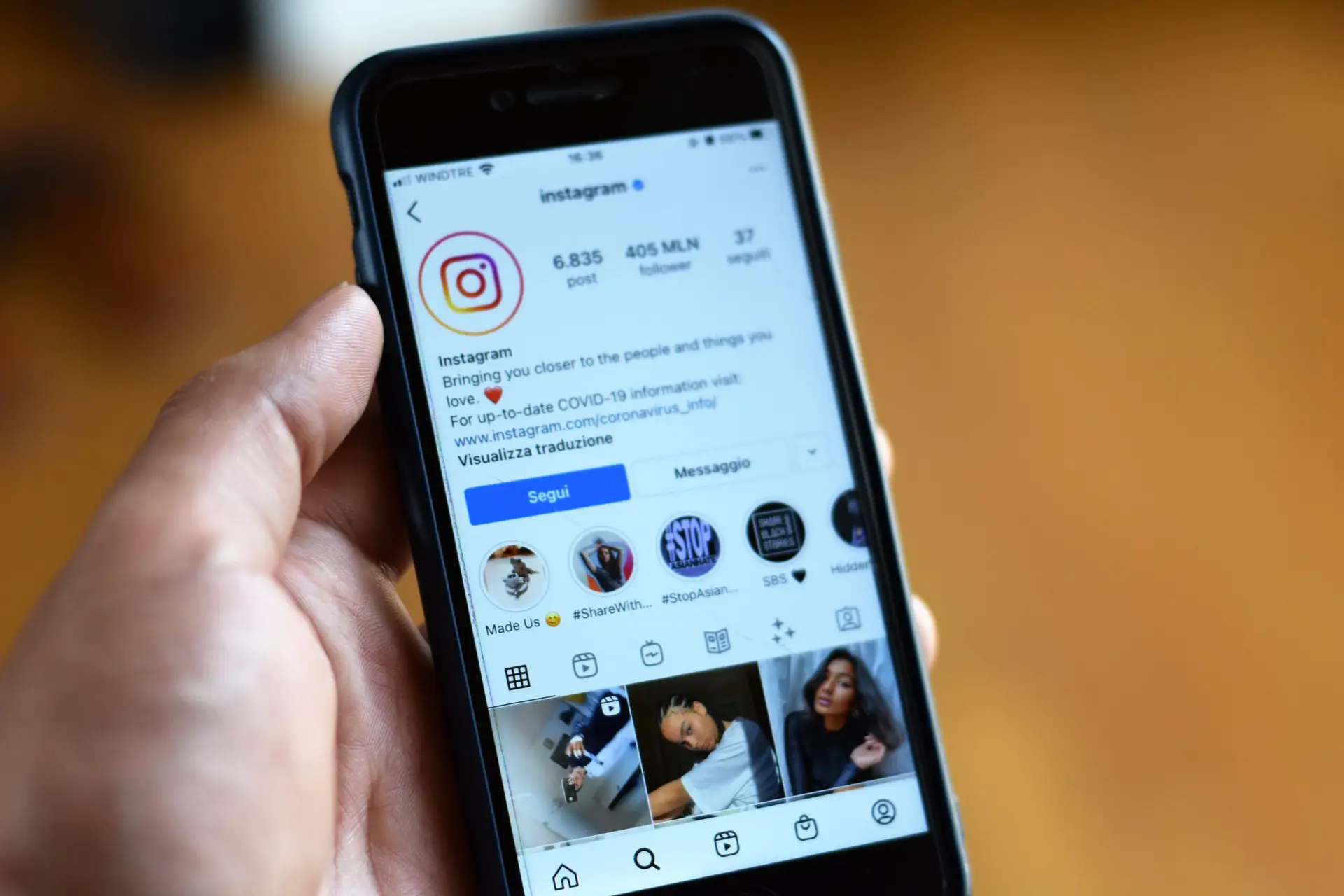
A Facebook or Instagram page is a great supplement, but it isn’t a replacement. Social platforms limit how you present your business, bury your posts under algorithm changes, and make it hard for new customers to find key information quickly.
A website gives you a central, searchable home where every detail is easy to find. Your social media can then work as a doorway that leads people back to it. Social pages also do far less for local SEO than a dedicated website does.
2. A Website Builds Business Credibility and Trust
First Impressions Happen Online
Before customers ever meet you or call your shop, they form an opinion based on what they see online. A professional, easy-to-navigate website signals that your business is established and serious. Business credibility is hard to earn, and a website is one of the fastest ways to start building it.
Without one, customers may wonder whether you’re legitimate. That doubt is enough to send them to a competitor who looks more established, even if your work is better. A credible site also turns more of your organic traffic into real inquiries.
Showcasing Reviews, Testimonials, and Portfolios
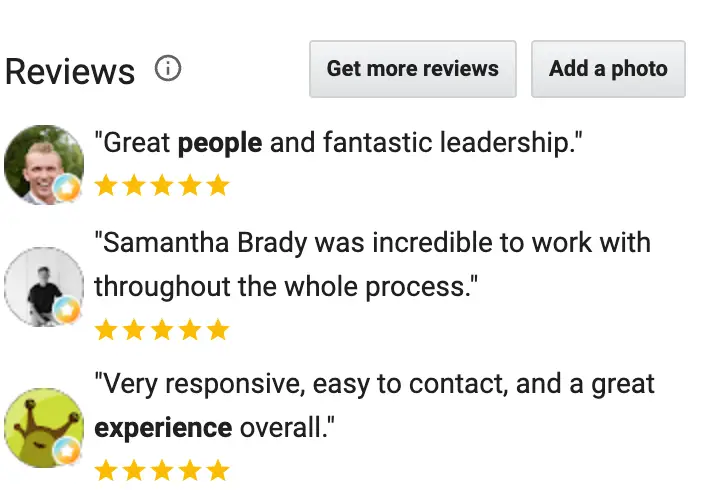
Your best marketing is the proof that you do great work. A website lets you display customer reviews, written testimonials, before-and-after photos, case studies, and certifications in one place. Unlike a scattered collection of social posts, this proof is organized and easy to browse.
Even a simple “Our Work” page or a handful of featured testimonials can ease a buyer’s hesitation. When people can see that others have had good experiences, they’re far more comfortable reaching out. Each of these trust signals strengthens your business credibility with every new visitor.
3. Get Found Through Search and Organic Traffic
How Search Engines Send Customers to You
Organic traffic is the visitors who find your website through unpaid search results. When someone searches for what you offer, a well-built website gives you a chance to appear in front of them at the exact moment they’re ready to buy. Unlike advertising, which stops delivering as soon as you stop paying, organic traffic can keep growing as your website content builds up over time.
To earn that traffic, your site needs clear service pages, helpful content, and relevant keywords that match how real customers search.
Local SEO and Google Business Profile
For most small businesses, local SEO is where the biggest opportunity lies. When someone searches “bakery near me” or “electrician in [your city],” search engines look for businesses with accurate, consistent, and relevant local information.
Your website is the foundation of that effort. Pair it with a complete Google Business Profile that includes your address, hours, photos, and a link to your site, and you improve your chances of appearing in local results and map listings. Adding your service areas, city names, and customer reviews to your site strengthens your local presence even more. Local SEO also brings nearby customers who are ready to act, which feeds your lead generation.
4. Boost Lead Generation and Sales
Contact Forms, Booking, and Calls to Action
A website doesn’t just inform visitors. It can turn them into customers. Lead generation is the process of capturing the contact details of people interested in your business, and your site is built for it. A simple contact form, a “Request a Quote” button, an online booking calendar, or an email signup box all give visitors an easy next step.
Effective lead generation depends on making the path obvious. Clear calls to action such as “Schedule a Free Consultation” or “Get Your Estimate Today” guide visitors toward contacting you instead of leaving. Every inquiry that comes in after hours is a lead you might otherwise have lost.
Selling Products or Services Online
If you sell products, an online store lets you reach customers beyond your neighborhood and bring in revenue around the clock. Service providers can take deposits, sell gift cards, or offer packages and memberships through their sites.
You don’t need a massive e-commerce operation to benefit. Even a few products or a simple payment option can open up a new income stream and make buying from you far more convenient.
5. Build and Control Your Brand
A Consistent Brand Identity
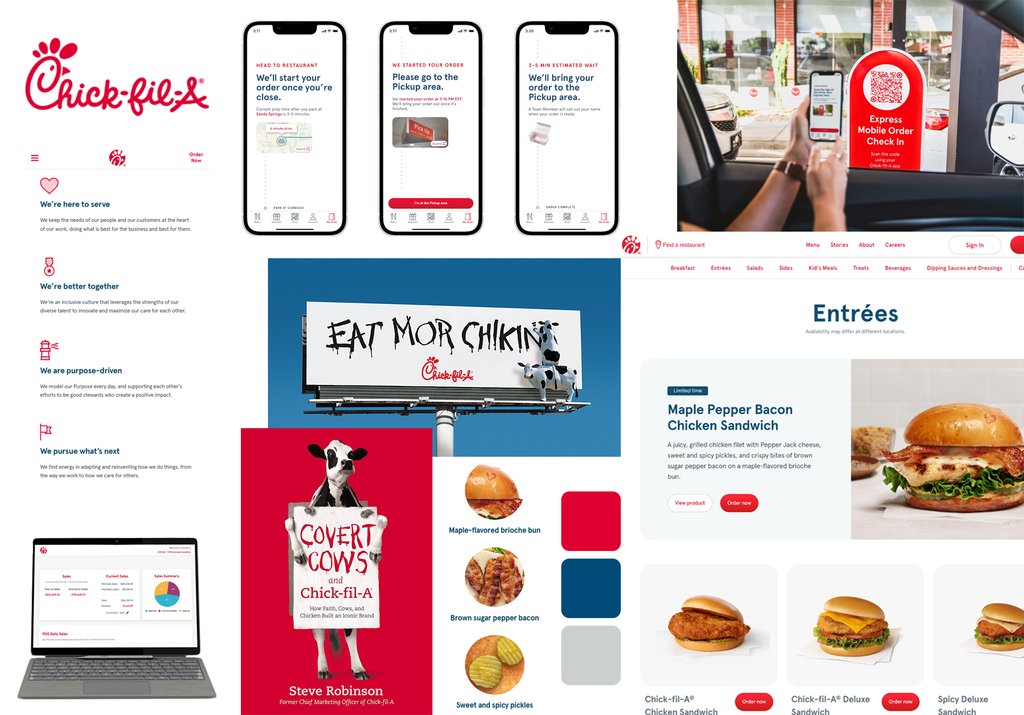
Your brand is more than a logo. It’s your voice, your visuals, and the experience people have with your business. A website lets you present all of this consistently, from your color palette and photography to the way you describe what you do and why it matters.
That consistency makes you memorable. When customers see the same look and message on your website, your business cards, your social profiles, and your emails, your business feels more established and more trustworthy. Consistent branding reinforces business credibility at every touchpoint.
Owning Your Platform vs. Renting Space on Social Media
When you build your presence only on social media, you’re renting space on someone else’s property. Platforms can change their rules, reduce your reach, or even suspend your account with little warning. Years of followers and content can disappear overnight.
A website is a digital asset you own. You control the design, the message, the content, and the customer data. Even if social platforms change, your website remains a stable foundation for your business.
6. Save Time with Better Customer Service
Answer FAQs, Hours, and Pricing Automatically
Small business owners spend a surprising amount of time answering the same questions: What are your hours? Do you offer this service? How much does it cost? Where are you located? A website handles these questions for you.
A well-organized FAQ section, a services page with pricing details, and clear contact information reduce repetitive calls and messages. Customers get instant answers, and you get time back to focus on the work that actually grows your business.
Share Updates and Announcements Easily
Holiday hours, new services, seasonal specials, and temporary closures are easy to communicate on a website. A simple announcement banner or news section keeps customers informed and prevents confusion.
Updating your own website is also much easier than reprinting flyers or hoping a social post reaches everyone. When information changes, you can update it in minutes, and every visitor sees the correct version.
7. Compete and Scale Cost-Effectively
Level the Playing Field with Larger Competitors
A small business rarely has the advertising budget of a national chain, but a well-designed website can make you look just as professional. Customers searching online see businesses side by side, and a great website helps a small shop compete based on quality, service, and personality instead of budget alone. Strong local SEO can even help a small shop outrank bigger names in nearby searches.
Compared to many traditional marketing methods, one of the clearest benefits of a website for a small business is cost-effectiveness. Print ads, billboards, and direct mail disappear after their run, while a website keeps working for you every day.
A Website That Grows with Your Business
You don’t need to launch with a massive site. Start with the essentials and expand as your business grows. You can add new service pages, a blog, an online store, a booking system, or additional locations when you’re ready.
Your website can also provide insights that guide your decisions. Analytics tools show which pages people visit, where they come from (including how much organic traffic you earn), and what they do before contacting you. That information helps you refine your marketing and invest where it matters.
Take the First Step Today
The benefits of a website for a small business are clear. A website helps customers find you through organic traffic and local SEO, builds business credibility, powers lead generation, strengthens your brand, saves you time, and lets you compete without a large budget.
You don’t need to do everything at once. Start with a simple, professional site that includes your services, contact details, reviews, and a clear call to action. Then build from there.
Ready to turn more searches into customers? Contact us today for a free consultation and let’s build a website that works as hard as you do.