Some of your best future customers probably live within a few miles of your door. Knowing how to promote your business locally is one of the smartest moves a small business can make. Nearby customers can visit often, turn into regulars, and tell their friends and neighbors about you, building the kind of brand awareness that’s hard to buy.
The good news is that local advertising and marketing don’t require a big budget. Many of the most effective small business marketing tactics are free or close to it. They reward effort and consistency far more than ad spend.
Below, we’ll cover what customers really mean when they call a business “local,” how to position yourself that way, and 10 practical ideas you can start using this week to get noticed in your community.
What does “local” mean to your customers?

On paper, a local business is simply one with a physical location that serves people in the surrounding area. People often use “local business” and “small business” as if they mean the same thing. Technically, though, “small business” has a formal definition. The Small Business Administration sets it based on a company’s employee count or annual revenue.
Your customers aren’t checking those numbers. To them, “local” is about how a business shows up in the community. They see a business as local when it:
- Hires people who live in the area
- Donates to or volunteers for local causes
- Takes part in community events and business groups
- Brings jobs, foot traffic, and money into the neighborhood
In other words, being local is something you prove through your actions, not just your address. Over time, that community involvement becomes a core part of your brand identity. That’s good news, because it means any business willing to invest in its community can earn that reputation.
How to market yourself as a local business

The strongest local marketing mixes online tactics with offline marketing. Online tactics help new customers discover you when they search nearby. In-person efforts put a face to your name and build the kind of trust that keeps people coming back.
Whatever you try, keep your brand messaging authentic and consistent across every channel. Speak to what local customers actually need. Small personal touches also go a long way, like greeting regulars by name, remembering a customer’s birthday, or staying open late during a busy holiday weekend.
With that foundation in place, here are 12 ideas to put it into practice.
12 ways to promote your business locally
1. Claim your Google Business Profile and local listings
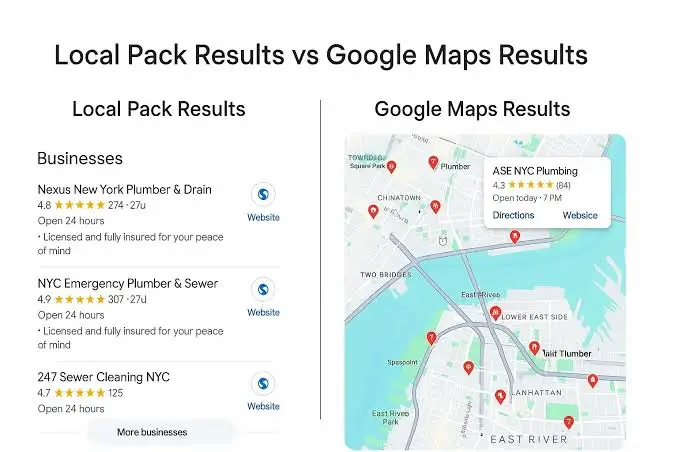
If you do only one thing on this list, make it this. A free Google Business Profile (formerly Google My Business) controls how your business appears in Google Search and Google Maps, which is where most people go when they want something nearby. Think of it as the modern version of the phone book.
To get the most out of your profile:
- Fill out every field. Add your address, phone number, hours, website, and service area.
- Add real photos. Show your storefront, products, and team so people know what to expect.
- Post updates. Share specials, events, and news to give people a reason to stop in.
Once Google is set up, list your business in other local directories too. Start with Yelp, Apple Maps, Bing Places, and Nextdoor, then check whether your city or chamber of commerce runs its own local directory. Each listing is another signpost pointing potential customers your way. Keep your name, address, and phone number identical everywhere so search engines trust your information.
2. Optimize your website for local SEO
Search engine optimization (SEO) helps your website show up when people search for what you offer. Local SEO narrows that focus to people in your area. Someone searching “bakery near me” or “plumber in [your city]” is usually ready to buy. That’s one of the biggest benefits of SEO: it puts you in front of customers at the exact moment they’re looking, without paying for every click the way you would with Google Ads.
Start by working your city and neighborhood names naturally into your page titles, headings, and content. If you serve several towns, consider a dedicated page for each. Give every main product or service its own page, too, so search engines (and people) understand exactly what you offer.
Two technical basics also matter. Your site should work well on phones, since that’s how most local searches happen. It should also load quickly, and free tools like Google PageSpeed Insights can show you what to fix. Finally, answer common customer questions clearly on your site. Concise answers can help you appear in Google’s AI-generated summaries at the top of search results. If you’re one of the many small business owners short on time or technical know-how, local website design and SEO services can handle the setup while you focus on running your business.
3. Use social media to reach your community
Social media is one of the most affordable digital marketing channels, and it gives you a direct line to people nearby. The key is choosing the right platforms. A coffee shop might do best on Instagram and TikTok, while a local accounting firm may get more traction on Facebook or LinkedIn.
To keep your posts local, tag your location, use city and neighborhood hashtags, and mention nearby landmarks or events. Plan your posts ahead with a simple content calendar, and use a free scheduling tool like Buffer to stay consistent. Keep a recognizable brand voice so followers know it’s you at a glance. Most importantly, be social. Reply to comments, answer messages, and engage with other local businesses’ posts.
When you’re ready to spend a little, every major platform lets you target ads to specific zip codes or a radius around your shop.
4. Join local online groups
Your neighbors are already talking online. Nextdoor, neighborhood Facebook groups, and city subreddits are full of people asking for recommendations. Join the ones in your local area and become a helpful, familiar voice.
The trick is to contribute before you promote. Answer questions in your area of expertise, share useful tips, and congratulate other local businesses. When someone eventually asks for a recommendation in your industry, members will remember you. Hard selling, on the other hand, can get you ignored or even removed.
5. Create content about your community
Blog posts, videos, and graphics are a free way to show your expertise and build trust. SEO and content creation go hand in hand, since every helpful page gives search engines one more reason to send people your way.
To make your content work locally, write about topics your community cares about. A landscaper could share a planting calendar for your region. A realtor could create neighborhood guides. A restaurant could spotlight the local farms it buys from. Use high-quality photos and videos of your products, space, and team, since visuals drive most social engagement.
Content and social media marketing work best together, so don’t just publish and walk away. Share each piece on social media, include it in your emails, and offer it to local newsletters or community websites.
6. Ask happy customers for reviews and referrals
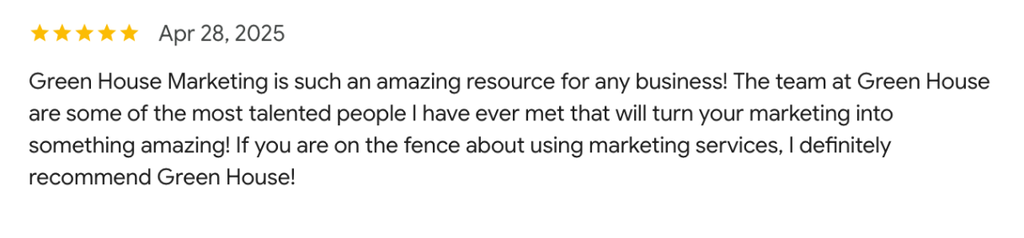
People trust recommendations from people they know, and online customer reviews are the next best thing. Reviews also play a big role in how high you rank in local search results.
The easiest way to get reviews from satisfied customers is to ask. Timing matters, so reach out right after a purchase, a great conversation, or a helpful customer service moment. Make it simple with a short follow-up message, a direct review link, or a QR code at the register. And reply to every review, good or bad, to show you’re listening.
For referrals, a small thank-you to existing customers is enough. A one-time discount, a free add-on, or early access to something new can build customer loyalty and turn happy customers into your best salespeople. Mention your referral offer on your website, receipts, and emails so people know it exists.
7. Partner with local influencers and businesses

You don’t need a celebrity to make an impact. Local micro-influencers, such as food bloggers, mom groups, and community personalities, often have smaller but highly engaged local audiences. Many are open to low-cost collaborations with businesses they genuinely like.
Build a real connection before you pitch. Follow their work, engage with their posts, and then propose something that benefits both of you, like a free product or experience in exchange for an honest post.
Neighboring businesses make great partners, too. A gym and a smoothie shop could run a joint promotion. A bookstore and a coffee shop could co-host a reading night. Each partner gets in front of the other’s customers at no extra cost.
8. Sponsor events or host your own

Showing up in person is one of the best ways to prove you’re part of the local community. Look for local events like farmers markets, street fairs, festivals, fundraisers, and chamber of commerce mixers where your customers already gather. Sponsoring a youth sports team or volunteering for a local cause builds brand recognition while genuinely helping others.
You can also host your own event. Teaching is a powerful way to build trust, so consider a free workshop or class tied to what you do. A hardware store might teach basic home repairs, and a salon might offer a styling demo. Hold it at your shop or the local library, and promote it on social media, through email marketing, and on community boards.
Bring business cards to every event you attend or host, and collect contact information so you can follow up afterward with a thank-you, helpful resources, or a special offer.
9. Pitch your story to local media

Local newspapers, TV stations, radio shows, and community blogs are always looking for stories. When your business does something newsworthy, like opening a new location, hitting a milestone, launching a community project, or hosting an event, send them a short press release.
Keep it focused on why the story matters to local readers. If an outlet picks it up, you get free publicity and the credibility that comes with being featured by a trusted local source.
10. Run a local-only offer
A special deal just for your community gives potential customers a reason to try you for the first time. Consider a discount for residents of your city, a grand opening special, a free sample, or a first-visit offer.
Free trials and samples work especially well because they remove the risk for new customers. Once people see what you offer, your work can speak for itself. Make sure the offer is easy to share so happy customers can pass it along.
11. Invest in paid local advertising

Free tactics build a strong foundation, but paid advertising can help you reach your target audience faster. Social media platforms like Facebook and Instagram let you run promoted posts aimed at specific zip codes or a radius around your shop. Pay-per-click (PPC) ads on Google put your small business at the top of “near me” searches, and you only pay when someone clicks.
Traditional local advertising, like newspapers, radio spots, and coupon mailers, still reaches customers who aren’t online much. Start small, pair your ads with a strong offer, and track results with promo codes or landing pages so you know what’s working.
12. Host free workshops or webinars
Teaching is a powerful way to share your expertise and build trust with potential customers. Pick a topic tied to what you do. A hardware store could teach basic home repairs, and an accountant could host a tax-prep webinar before filing season.
In-person workshops are a great way to promote your business locally and bring people through your door, while webinars fit busy schedules and can be recorded for later. Promote your event through social media and email marketing, collect contact information at sign-up, and follow up with a thank-you and a special offer.
Start promoting your business locally today

Learning how to promote your business locally isn’t about having the biggest budget, but about showing up consistently, online and in person, for the people who live and work around you. Each idea on this list works on its own, but they work even better together. Your Google profile brings in searchers, your reviews build trust, and your community involvement turns first-time visitors into loyal customers.
You don’t have to do everything at once. Pick two or three ideas that fit your business, commit to them for the next month, and build from there. If you’re not sure where to start, request a free marketing audit with us at Green House. We’ll review your website, SEO, social media, paid ads, and online reputation, then show you the quickest ways to bring in more nearby customers. The more your community sees you investing in them, the more they’ll invest in you.