What Is Small Business Advertising?
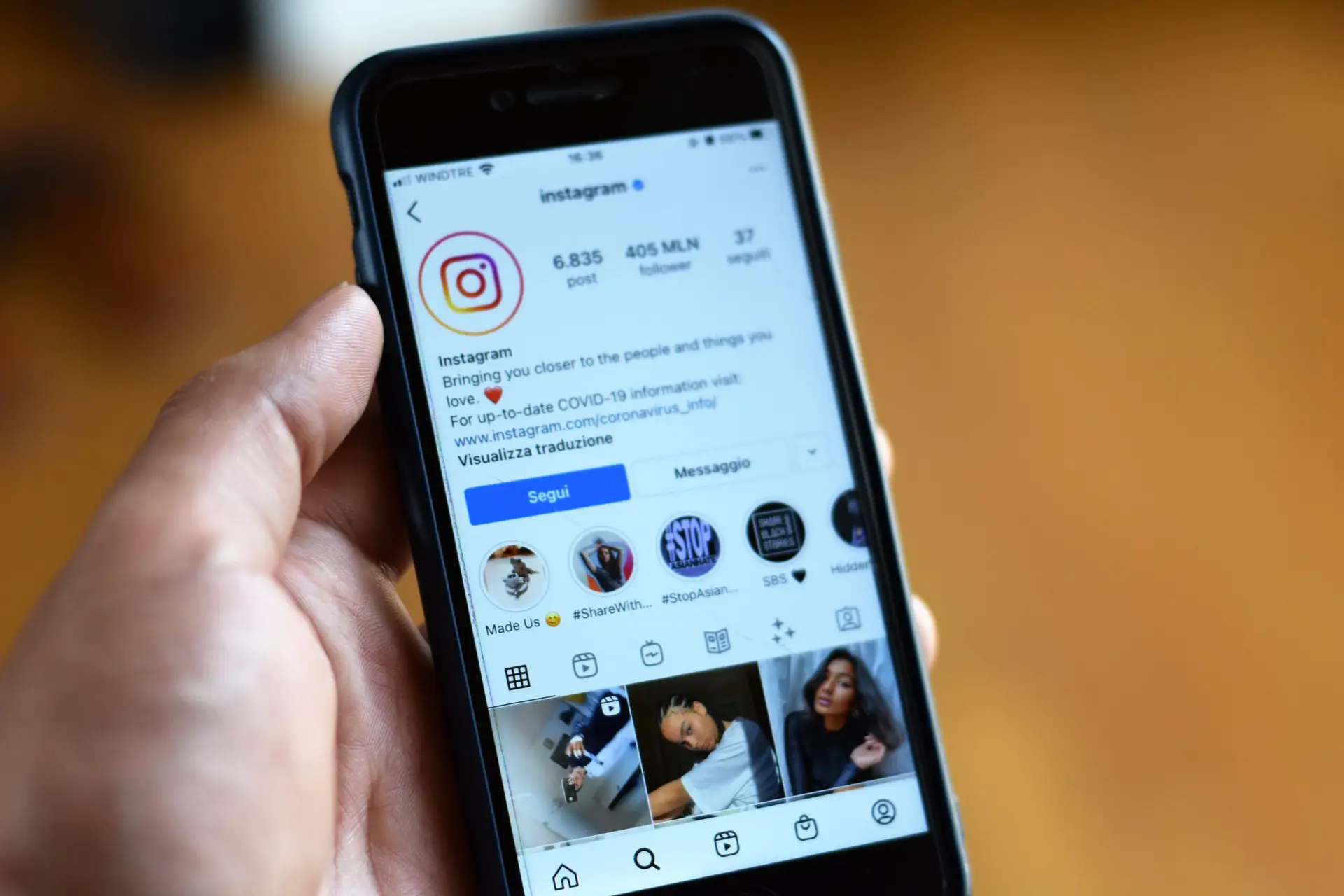
Small business advertising is how you get the word out about your products or services. It builds brand awareness, reaches potential customers, and brings in sales. These 10 small business advertising ideas focus on online channels, so you can reach people where they already spend their time.
Picking where to spend your time and money can feel like a lot for business owners. Knowing your options makes it easier. Many of the ideas below are free or low-cost, so they work for almost any small business marketing budget.
And timing matters. In the 2025 Holiday Shopping Report from Intuit QuickBooks, 93% of small businesses said holiday sales are vital to their success. About 40% planned to promote their business through more advertising or social media outreach. Social media also came out on top. Three in four small business owners said it works for marketing, according to the 2025 Small Business Advertising Trends Report from Intuit SMB MediaLabs.
The good news is that online advertising doesn’t have to cost much. Whether you have a solid budget or you’re a solopreneur on a tight one, these digital marketing ideas can help you grow.
10 Online Advertising Ideas for Small Businesses
Online business advertising is often the fastest way to reach new customers. You can start small, see what works, and build from there.
1. Promote Your Business on Social Media
Social media marketing is one of the most direct ways to reach customers. Platforms like Facebook, Instagram, LinkedIn, and TikTok put you in front of the people you want to reach. You can post for free, or pay to boost posts and run ads.
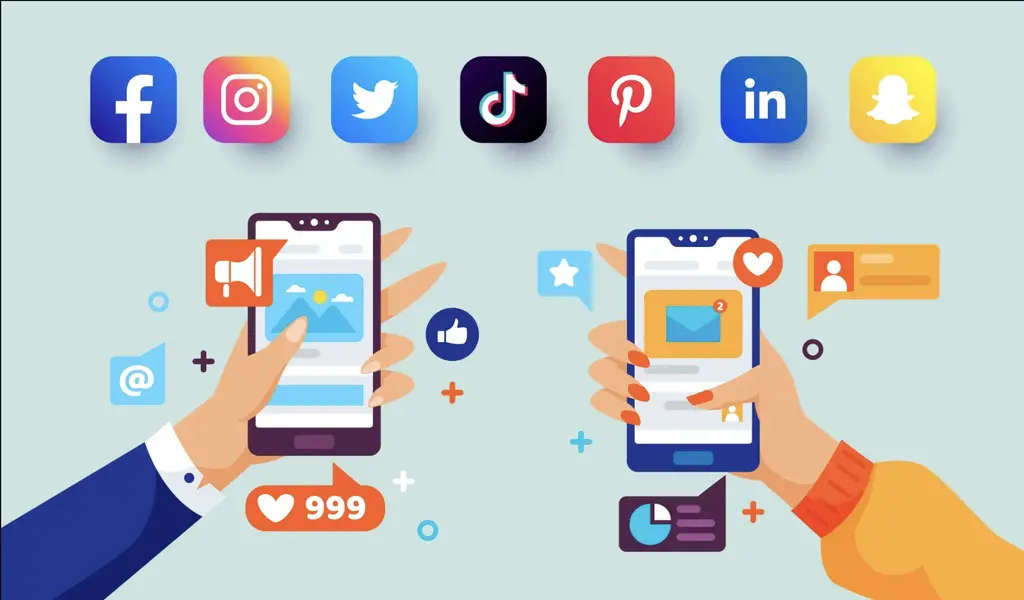
Start by figuring out where your audience spends time. A local bakery might do well on Instagram and TikTok. A business-to-business (B2B) service will likely get more traction on LinkedIn. Instagram’s users are largely millennials and Gen Z, so it’s a good fit for younger buyers.
For paid online advertising, Facebook and Instagram both run through Meta Ads Manager. You can target people by location, interests, and behavior. Instagram Shop also lets people buy from you without leaving the app.
You don’t need to be everywhere. Pick one thing you can do well. For example, this letterbox brownie company posts product photos, which is pretty standard. But it often adds a bit of humor that shows the people behind the brand. That personality gives followers a reason to stick around and share.
A few ways to get more out of your posts:
- Schedule ahead: Tools like Buffer and Sprout Social let you plan posts in advance.
- Use a content calendar: A simple Google Sheet helps you stay consistent.
- Engage with people: Reply to comments and join relevant conversations.
- Tap into local communities: Facebook groups and local hashtags help nearby customers find you.
2. Claim Your Free Google Business Profile
A Google Business Profile lets your business show up in Google Search and Google Maps. It’s free, and it’s one of the easiest ways to get found by nearby people who are ready to buy. It’s also a key part of local SEO.
Say you own an auto repair shop. When someone nearby searches “auto repair shop near me,” a complete profile gives you a chance to appear in those results. Customers can also book appointments or request a quote right from your profile.
To make the most of your Google Business Profile:
- Fill out every detail: Add your address, phone number, website, hours, and photos. A complete profile looks more trustworthy.
- Ask for customer reviews: Happy customers will often leave one if you ask. Reply to every review, even with a quick thank-you.
- Keep it current: Post offers, events, and updates.
3. Create and Repurpose Helpful Content
Content like blog posts, how-to guides, and short videos works like an ad that keeps running. Each helpful post is another way for potential customers to find you through search. And it shows what you know before anyone ever contacts you.
But you don’t have to start from scratch every time. Get more out of what you’ve already made. One blog post can become a video script, a checklist, an email, or a set of social media graphics. Repurposing saves time and keeps your message consistent across channels.
- Start with what worked: Look at which posts or videos got the most views or engagement, and repurpose those first.
- Answer real questions: Write about what customers ask you most. Those are the same questions people type into Google, so this content also helps your SEO.
- Promote every piece: Don’t just hit publish and hope for the best. Share new posts on social media, link to them in your emails, and turn them into short videos or infographics to reach different audiences.
4. Run Paid Search Ads
SEO takes time to build. Paid search ads can put you at the top of Google results much sooner. With Google Ads, you choose the keywords you want to show up for, and you only pay when someone clicks your ad. That’s why these are often called pay-per-click (PPC) ads.
You stay in control of spending. Set a daily budget, target specific locations, and pause your ads anytime. [Insert real average cost-per-click range here, if needed.]
To get more from paid search:
- Pick specific keywords: “Emergency plumber in Provo” will usually bring better leads than just “plumber.”
- Send clicks to the right page: Link each ad to the page that matches what the person searched for.
- Try retargeting ads: These show your ads to people who already visited your site, reminding them to come back.
- Track every result: Check which ads bring in calls, forms, or sales, and move your budget toward those.
5. Build an Email List and Send Regular Campaigns
Email marketing still works. It gives you a direct line to existing customers, and every sign-up is a chance to build a real relationship.
Use an email marketing tool to set up automatic sequences. You can welcome new subscribers, follow up after a purchase, or remind people who browsed but didn’t buy. Automation keeps your email marketing running in the background while you focus on the rest of your business.
- Give people a reason to sign up: Offer a free guide, early access, or a short checklist.
- Segment your list: Group subscribers by interest so emails feel personal.
- Send emails worth opening: Share tips, deals, and behind-the-scenes stories. Your blog posts and other content marketing make easy email material.
H3: 6. Partner With Influencers and Other Businesses
Influencer marketing means partnering with content creators who have a niche and a loyal audience. Their followers trust them, so a recommendation often feels more like advice from a friend than an ad. That trust can make people more likely to try what you sell.
Choose influencers who fit your industry and share your values. A smaller creator with an engaged audience can be a good fit for a local business. Costs vary a lot. Some will work for free products, while others charge a fee. [Insert real influencer pricing range here.]
You can also team up with businesses that complement yours. A coffee shop and a nearby bookstore could run a joint Instagram giveaway, for example. You both reach each other’s followers without spending more. Other ways to partner online:
- Swap newsletter spots: Feature each other in your email newsletters.
- Sponsor a newsletter: Look for local groups or businesses with a targeted email list and ask about sponsor spots.
- Support a cause: Partner with a nonprofit on an online fundraiser or campaign. Giving first builds trust and puts your name in front of a new audience.
7. Create an Online Referral Program
Your happy customers are some of your best advertisers. A referral program gives them a reason to talk about you online. Offer a reward to both the customer who refers someone and the new customer, like a discount or store credit.
Make sharing easy. Give each customer a unique link or code they can text, email, or post on social media. Some email and ecommerce platforms have referral features built in, so check what your current tools offer before adding new ones.
Ask your followers to share your posts and leave online reviews, too. A personal recommendation goes a long way, even when it happens in a group chat.
8. Run Social Media Giveaways
Giveaways are a low-cost way to build brand awareness online. Ask people to follow your account, join your email list, or tag a friend to enter. You get new followers and leads, and the winner gets something they want.
Keep the entry steps simple and the prize relevant to your business. A free product or service attracts people who might actually buy from you later. Before you run any giveaway, check the rules for your area and each platform.

9. List Your Business in Online Directories
Listing your business in online directories might sound basic. But it’s one of the easiest ways to show up in more places, especially in local searches. Many directories are free and take only a few minutes to set up. And the more places your business appears, the more chances people have to find you.
Your Google Business Profile is a great start, but it’s not the only place people search. Other popular options include:
- Yelp: Customers read and write reviews of local businesses here.
- Bing Places for Business: A free way to manage how your business shows up on Bing.
- Apple Business Connect: Helps you show up in Apple Maps.
- Foursquare: An app people use to find and share places to go.
Many industries also have their own directories, like Houzz for home services or Healthgrades for medical practices. And check with your local chamber of commerce. Many keep online member directories and email newsletters where members can advertise for free or a small fee.
To get the most from your listings:
- Keep your details consistent: Use the same business name, address, and phone number everywhere. This helps both customers and search engines trust your listing.
- Add photos and a clear description: Show people what you do before they ever click.
- Respond to reviews: Thank happy customers and calmly address complaints.
10. Host Webinars or Live Videos
Teaching something useful online shows what you know. A bakery could go live on Instagram to show a cake decorating trick. An accountant could host a tax-prep Q&A over Zoom. Live sessions let people ask questions in real time and get a feel for who you are.
Record each session and reuse it. Post clips on social media, upload the full video to YouTube, and share it with your email list. One webinar can turn into weeks of content. And collecting sign-ups before the event grows your email list at the same time.
Choosing the Right Advertising Ideas for You
You don’t need to try all 10 of these small business advertising ideas at once. An effective marketing strategy starts with two or three ideas that fit your budget, your time, and your customers.
Ask yourself:
- Who are my customers? Go where they already spend time online.
- How much time do I have? Free options like social media and SEO cost time instead of money.
- What’s my budget? Many of these marketing ideas are free. If you can spend a little, paid search or social ads can speed things up.
- How will I track results? Watch website visits, calls, and sales so you know what works. Google Analytics is a free place to start.
Whatever you choose, share customer testimonials wherever you advertise. Real words from real buyers help small business marketing feel more trustworthy. Then stick with what brings in customers and adjust your advertising strategy as you go.

Ready to Grow Your Small Business?
If you’ve read through these business advertising ideas and still aren’t sure where to start, that’s exactly what we do. Green House Sales and Marketing is a digital marketing agency that helps businesses get found, get noticed, and turn visitors into customers. From SEO and web design to social media and online business advertising, we can help you figure out what’s working and what isn’t. Whether you’re just getting started or want a better plan than the one you have, fill out this form and let’s start promoting your business the right way.